By Savage Sarah
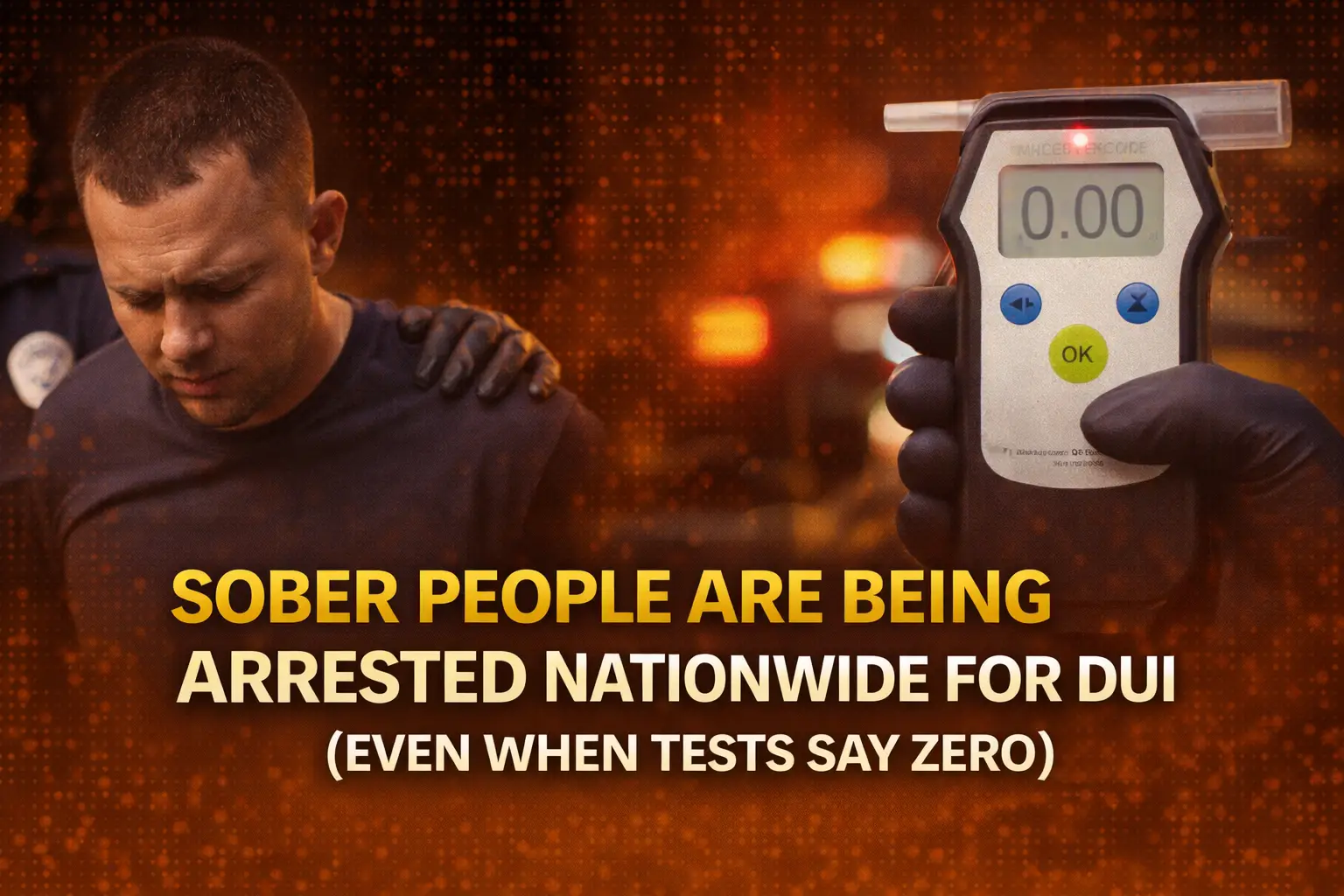
Getting pulled over is stressful. Getting accused of driving impaired when you’re completely sober is something else entirely. A WSMV 4 Nashville investigation says sober people are being arrested for DUI not only in Tennessee, but across the nation, and a recent study raises fresh doubts about whether field sobriety tests always tell the truth.
Why this DUI story is bigger than one traffic stop
WSMV4’s ongoing reporting says this isn’t just a local glitch. The investigation describes a pattern where drivers are arrested for DUI, then later learn lab testing found no alcohol and no drugs in their system.
In Tennessee alone, the station reports that more than 2,500 people have been arrested for DUI over the last three years, only for later results to come back clean. The newest reporting argues the same scenario is showing up in other states through lawsuits, police reports, and local news coverage.
The throughline is uncomfortable: if the strongest evidence is a field sobriety test and those tests can misread sober people, then the system can slide from “better safe than sorry” into “sorry you got booked.”
When a test is treated like a truth machine, a bad read can turn a normal night into a legal nightmare.
Justin Berry’s stop in Alabama, and the moment fatigue looked like impairment
The report centers on Justin Berry, an Alabama man pulled over after an officer said he “seemed like he was all over the road.” Almost immediately, Berry tried to get ahead of what the officer might be thinking. He said he’d only gotten about three hours of sleep after working a 14-hour shift.
That context matters because fatigue can look like impairment from the outside. Slower responses, clumsy balance, foggy focus, those can read “buzzed” even when the person is just running on empty.
Then came a detail Berry later said he regretted. When asked about medication, he mentioned having ADD, and later said he should’ve said autism instead. He explained he was afraid to say it in the moment, which is a very human reaction during a traffic stop where every word feels like it might be used against you.
“No odor of alcohol,” yet an arrest based on the field test
The report says Berry performed poorly on field sobriety testing. Officers also noted key observations on scene, including “no odor of alcohol,” and no evidence of marijuana use. Still, the officers said the field test results were enough to arrest him for DUI.
The arrest moment lands hard because it’s so plain: “At this time, you will be placed under arrest.” Berry’s response, a simple “Oh,” is the sound of someone realizing the night just changed shape.
Later, the report says Berry’s lab work came back showing no alcohol and no drugs in his system. His family expressed anger, especially because they described themselves as pro-police, yet felt their son had been arrested for doing nothing wrong.
The investigation points to similar “sober DUI” claims in other states
WSMV4 says it found reports of sober DUI arrests in multiple states, including Hawaii, Florida, and Iowa.
In Hawaii, the report highlights a case where an officer said he smelled alcohol. The driver reportedly blew zero on a breath test and was arrested anyway. Prosecutors later declined to pursue the case, citing insufficient evidence. The driver described feeling embarrassed and profiled, and said he doesn’t smoke, use drugs, or drink.
In Florida, Alli Kupelo said her lab results showed she was sober when she was arrested for DUI. She described the fear of being handcuffed while knowing she wasn’t impaired.
In Iowa, William Penn University football player Tavan Galanakis is suing the Newton Police Department, according to the report. He’s shown reacting to the situation after blowing zero, saying officers then tried to shift the suspicion to cannabis.
A study suggests field sobriety tests can flag sober people as “failed”
The report features DUI expert witness Joshua Aught, who says attorneys hire him to review cases. He points to a 2023 study of 184 people, where some participants used cannabis and others received a placebo, and officers administered field sobriety tests to everyone.
The headline result is rough: officers determined 49.2% of the placebo group failed the field sobriety tests, even though they had not used cannabis. Aught called the false positive rate “astonishing,” and argued there’s not good research proving these tests accurately show impairment.
For readers who want the research in full, the study is published as JAMA Psychiatry’s field sobriety test evaluation.
What Berry does now, and what police said about the case
After the arrest, Berry started carrying a letter from his psychiatrist, which he keeps in his car. The letter states his diagnosis means he cannot perform a field sobriety test. In his words, because of autism, he’s at a disadvantage, and he can’t help that.
WSMV4 said it requested an interview with the police department involved (identified in the report as the Pelum County Police Department in Alabama). A spokesman had no comment, but confirmed an internal investigation is underway.
The station also says the investigation continues on its app, including an interactive map where users can click each state and read about the cases found there. For ongoing coverage, WSMV also points viewers to WSMV’s local news site and the WSMV 4 Nashville YouTube channel.
Conclusion: When “looks impaired” becomes a legal label
This reporting paints a clear tension: officers make fast calls on the roadside, yet the fallout can last for months even when later testing shows zero substances. Justin Berry’s case adds a sharp reminder that disability and exhaustion can change how a person performs on commands, especially under pressure. If more states are seeing the same pattern, the real question is how many “fails” are actually false alarms.
Learn more about Pulse of Fame and our editorial team. Want to weigh in? Join the conversation in the Pulse of Fame community forum.
Related: Corey Holcomb vs The Lead Attorney: The “Receipts” Dispute Explained