By Petty Pablo | Lead Social Analyst
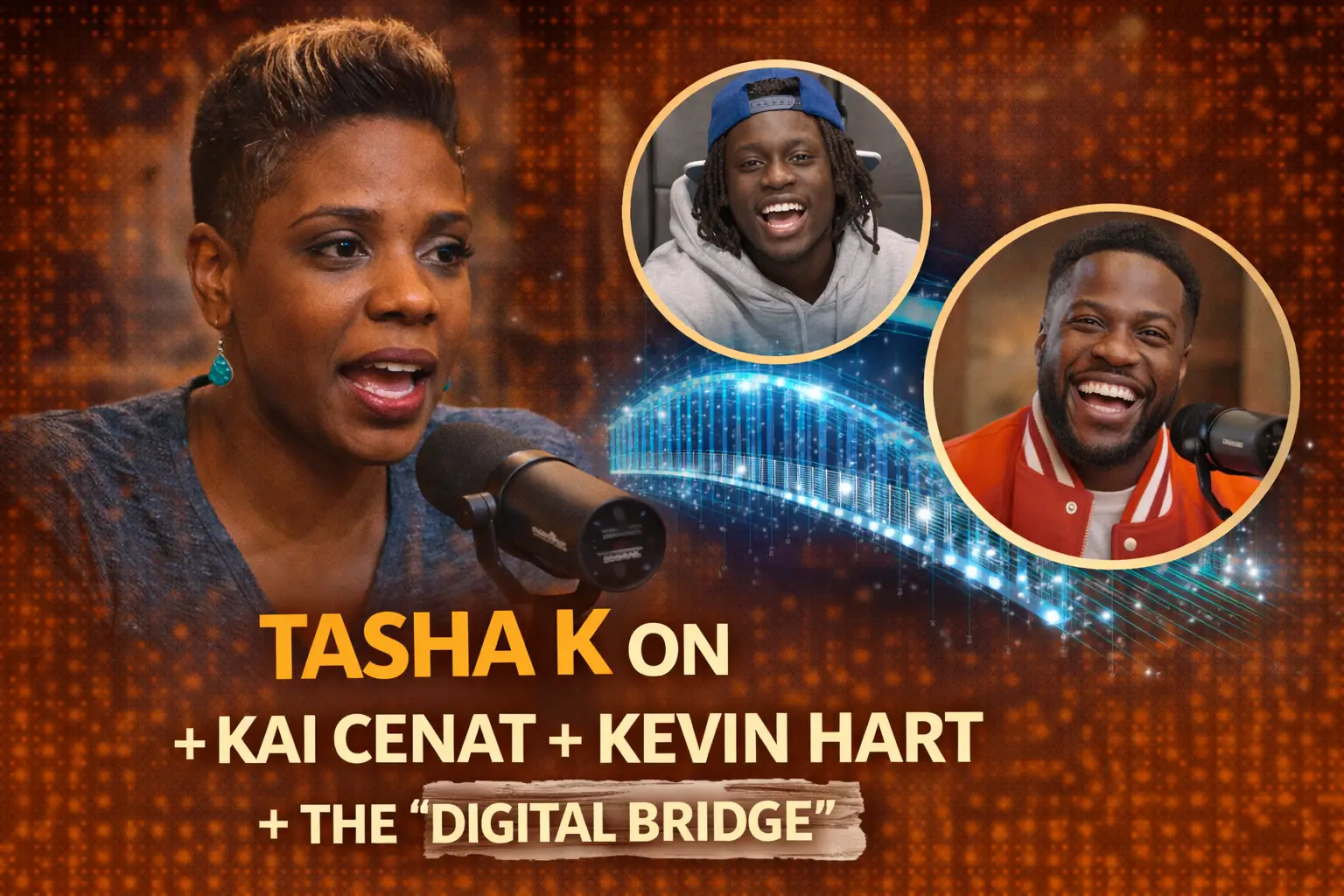
Creator culture moves fast, and sometimes the real story shows up as a “bonus” once the live starts rolling. In this episode of online chatter, the conversation swings from recent Sherri Shepherd-related buzz into a bigger question: what happens when Hollywood tries to plug into the streamer economy, and the streamer picks up the bill?
At the center is Kai Cenat, his celebrity-packed “Mafiathon” era, and a sharp claim repeated in commentary: that fame can be loud while cash flow gets quiet.
Why this story popped up right now
The speaker frames this as a last-minute add because timing matters in live content. One moment the show is tracking one headline, and the next moment a related storyline suddenly fits. As the commentary puts it, you don’t always know what you need until you’re already streaming.
That context matters because this isn’t presented like a neat case file. It’s more like someone piecing together patterns in real time, using clips, reactions, and what they say they’ve “been told” about the business side of big collaborations.
The through-line is simple: streaming is a platform, and platforms are power. Once you trade that power for proximity to celebrity, you might gain status, but you can also lose control of the room.
Kevin Hart’s “movement” problem, according to the commentary
A major point in the video is that Kevin Hart, not Kai, needed the audience access. The speaker claims Hart lost his SiriusXM situation, and with it, some of the built-in promotion that comes from having a consistent platform. The argument is familiar to anyone who’s watched media careers shift: when your megaphone shrinks, you start borrowing someone else’s.
The speaker contrasts Hart with another streamer mentioned, “Drewi,” saying Drewi doesn’t need help, but Hart needs “movement.” They frame it as an uncomfortable optics moment, a successful, older celebrity needing a younger streamer’s stage to keep marketing projects.
For background on how mainstream outlets covered Hart’s connection to Kai, see Dexerto’s report on “big things” teased for a collab.
The “Kai went broke” claim, and the cost of looking Hollywood-ready
One of the biggest claims repeated is attributed to Kai’s ex-girlfriend Gigi, who the speaker says went on her platform and alleged Kai stepped away because he was “going broke.” The commentary doesn’t present receipts, but it builds a theory around expenses.
The speaker describes a situation where Kai is paying for everything: the house, the people around him, and the day-to-day machine that makes a marathon stream look effortless. Then add the Hollywood layer, where the expectations jump. The speaker paints that shift as “pay to play,” with pressure for upgraded outfits, cars, and a more polished public look.
They also point to a vibe change, saying Kai used to show up in repeat outfits and didn’t care, and that the rawness was part of the appeal. In their telling, the moment the stream started catering to celebrity aesthetics, it got more expensive and less “him.”
The “bridge” pitch: streamer to stardom, or stardom to streamer?
The commentary zooms in on a clip where Hart talks about “merging the gap between streamer and stardom,” calling himself a bridge. The speaker’s read is blunt: the pitch sounds like Hollywood is doing streamers a favor, but the numbers suggest the opposite.
A few lines become the centerpiece:
- Hart frames it as “next level,” moving from streaming into stardom.
- He calls himself the bridge, and warns not to mess it up.
- He praises the scale, citing hundreds of thousands of viewers over long hours.
The speaker’s main takeaway is that the “bridge” talk sells prestige, while the real value is the audience already sitting in the chat.
The speaker also highlights Hart saying streamers pull ad attention away from studios, and that studios are noticing. It’s treated like a quiet admission that the money has been shifting.
For more context on how that stream became a headline, here’s Complex’s coverage of Hart confronting Kai’s crew during Mafiathon.
Celebrity takeovers, free promo, and the price of “publicity”
The speaker lists a parade of big names they say appeared during the Mafiathon era, including Kim Kardashian, LeBron James, and Nicki Minaj. Their issue isn’t the guest list, it’s the business structure. The commentary suggests celebrities benefited from the exposure, while Kai got “publicity” as the main payment.
They argue that publicity is a soft currency when bills are hard. In other words, sitting next to a star can’t cover a payroll.
There’s also a practical point buried in the rant: if your platform is the advertising slot, charge like it is. The speaker references DJ Akademiks’ general stance on charging for everything, then jokes that if a celebrity is promoting a product, they’d want a cut, not just a selfie moment.
The message to Kai, plus the Koji Cocoa Soap plug
Toward the end, the speaker talks directly to Kai’s future, arguing he can’t sell anything if he stops streaming. They mention, with uncertainty, a claim that Kai turned down a $50 million Nike deal, then criticize the idea of pivoting into fashion without the live-stream engine that built the audience.
Finally, the video rolls into a product mention: Koji Cocoa soap from TKDeals. The speaker says they use it to help even skin tone and fade dark marks, and they warn to be careful using it on the face because it can lighten more than targeted areas. The product is available via TKDeals shopping site, and the code shared is TK10. The description also points viewers to Tasha K Live’s subscription platform for uncensored content.
Conclusion
This commentary isn’t shy about its thesis: Hollywood wants the streamer’s audience, even when it sells the story the other way around. The clip choices and the “bridge” language are used to argue that the real flex is owning the platform, not renting prestige. If there’s a lesson in the noise, it’s that attention is valuable, but contracts and cash flow decide who actually wins.
Learn more about Pulse of Fame and our editorial team. Want to weigh in? Join the conversation in the Pulse of Fame community forum.
Related: Bobbi Althoff’s “Not This Again” Era Isn’t Hitting Like Before