By Petty Pablo | Lead Social Analyst
It sounds like the kind of fact that breaks people’s brains the first time they hear it: during the Iran hostage crisis, captors backed by the new Islamic Republic of Iran released the Black hostages and the women early, while keeping the rest for much longer. That detail isn’t just trivia, it’s a clue. It points straight at the story Iran wanted the world to see, and the story the United States refused to validate.
The headline moment that still feels unreal
The video’s core claim is simple and wild: On November 4 1979, Iranian students seized the US embassy in Tehran, took Americans hostage, and then selectively freed the first thirteen hostages, Black hostages and women. On its face, that sounds like a plot twist written for social media, not a diplomatic crisis with global stakes. Yet it happened, and it’s been reported in major outlets from the time, including contemporaneous coverage like The Washington Post’s report on the order to free women and Black hostages and The New York Times coverage of the releases.
But the more interesting question isn’t “did it happen?” It’s why that move made sense inside Iran’s messaging strategy, and why it still echoes in how Iran frames conflict with the US today.
The video argues you can’t understand the hostage crisis without the backstory that set the emotional temperature in Iran: oil control, foreign influence, and a long memory of being pushed around. In other words, the embassy takeover wasn’t presented as random chaos. It was framed as payback, and as a public negotiation.
That framing matters because hostage crises are not only about bodies in a building. They’re about narrative control. Whoever gets to define the story gets a head start in shaping international pressure, domestic support, and future deals.
Oil, power, and the grievance that predates 1979
Before the hostage crisis, the video describes a simmering complaint inside Iran: foreign powers (the US and Britain) had outsized control of Iran’s oil industry through deals with Shah Mohammed Reza Pahlavi, while Iran received little of the benefit. The script even uses playful, dialogue-style lines to make the point, like Iran asking for its oil back and being brushed off.
Under the humor is a serious idea: when a country believes its most valuable resource is being siphoned away, every later conflict starts to look like a continuation of that original theft. That belief turns politics into a personal beef, passed down like family lore. These oil grievances helped contextualize the broader political shift of the Iranian Revolution.
To keep it clean and clear, here’s the video’s “back-and-forth” logic in plain terms:
- Iran says the deal is unfair, and wants control of its oil and revenue.
- The US and Britain resist, because losing oil influence means losing power.
- Iran tries to change course through leadership, which triggers outside pressure.
In many histories of this era, the prime minister associated with nationalizing oil is Mohammad Mossadegh, and the 1953 coup is often cited as a turning point. For readers who want that broader context, references like Britannica’s overview of the 1953 coup in Iran and PBS’s explainer on Operation Ajax and US-Iran relations cover how that period is commonly described.
The key takeaway, aligned with the video’s framing, is that the Iran hostage crisis didn’t arrive out of nowhere. It landed on top of decades of suspicion about who really got to run Iran’s economy, and who benefited most.
How the Shah became the symbol Iran wanted back
After Iran’s push to reclaim oil control, the video describes a US-backed reversal: the CIA enters the picture, the reform-minded leadership is removed, and a new leader, Shah Mohammed Reza Pahlavi, is installed and aligned with American interests. That’s the setup for why “bring back the Shah” later becomes a demand with teeth.
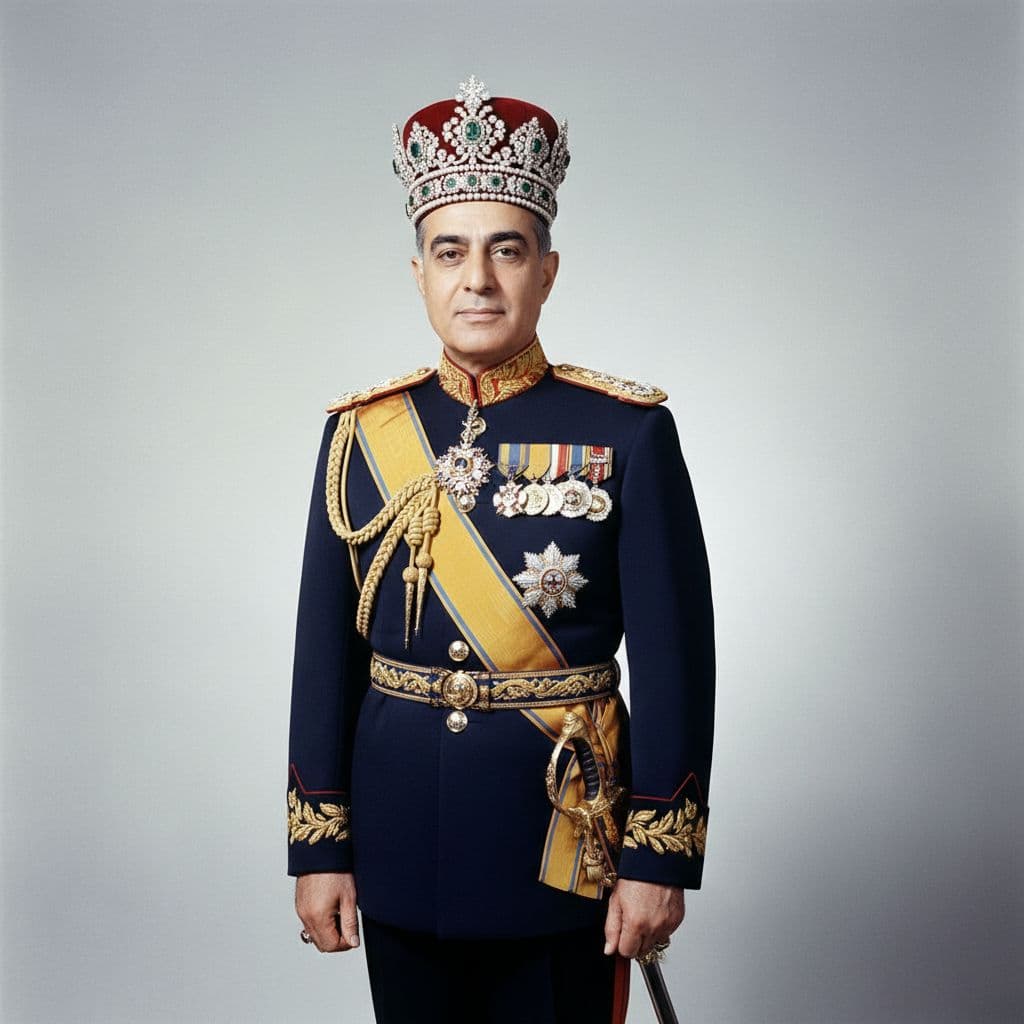 The video then fast-forwards: over time, the Shah’s rule becomes associated with two things in the public mind, according to the narrator:
- Giving away Iran’s oil interests to outside powers (or at least being seen as doing so).
- Oppressive policies toward Iranians at home.
That combination is politically lethal. If a leader is viewed as both harsh domestically and compliant internationally, the opposition doesn’t just want reforms. They want a clean break, plus a receipt.
When protests surge, the Shah reportedly leans on the idea that the US has his back. In the video’s telling, that backstop doesn’t hold. The Shah leaves Iran, and the US takes him in for medical treatment for cancer; many Iranians interpret the move as America protecting an “asset,” not simply sheltering a friend.
That’s the pressure point: the Shah’s exit didn’t close the chapter. It made him the perfect symbol, because he was now physically out of reach, politically loaded, and tied to the US by visible choices.
So when Iranian protesters and students look for leverage by demanding the extradition of the Shah, the US Embassy becomes more than an office building. It becomes a bargaining chip with a flag on top, igniting the Iran hostage crisis.
The embassy takeover, and the demands that followed
The video portrays the embassy takeover as a direct response to US refusal. Muslim Student Followers storm the US embassy in Tehran and take American personnel hostage, then present demands that are framed as “reasonable” from their perspective.
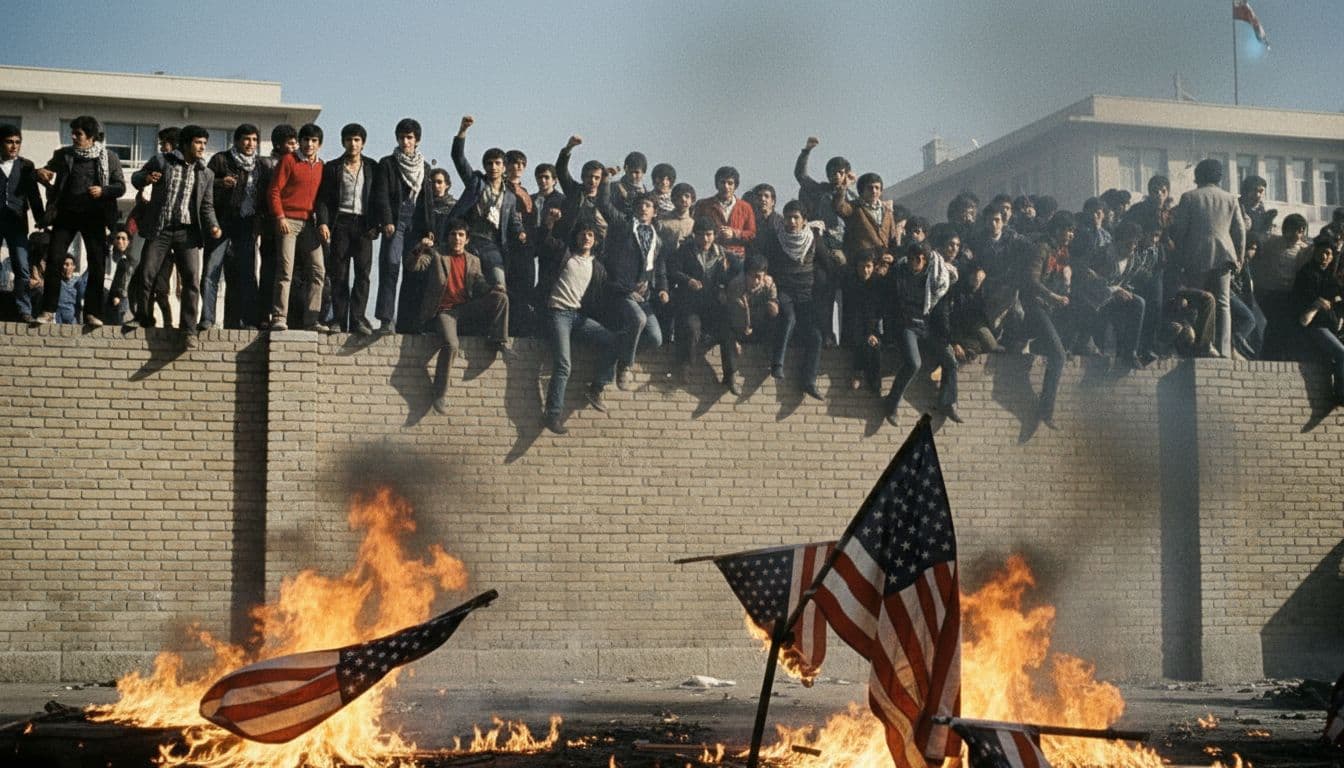 The demands, as stated in the video, come down to two points:
- Return the Shah.
- Leave Iran and its oil alone.
This is where the narrator makes a broader claim about negotiating with the US: America doesn’t like to bargain when major strategic interests are involved. In the video’s framing, that means the US won’t trade the Shah and oil influence for hostages, because doing so would look like giving in.
That image problem is real in any superpower play. If you set a precedent that hostage-taking works, you invite more hostage-taking. At the same time, if your citizens are on TV with blindfolds and headlines, delay starts to look like indifference.
That tension creates the pressure cooker the video keeps returning to: a standoff where each side thinks it’s defending principle, but both sides are also defending status.
And then the story takes its sharpest turn, because Iran’s leadership notices who is in the hostage group, and decides to split the room.
Why Khomeini ordered Black hostages and women freed
The video credits Iran’s new supreme leader, Ayatollah Ruhollah Khomeini, who called America the Great Satan, with a pivotal move: he sees Black hostages and frames their captivity differently than the captivity of white US personnel. The narrator’s summary is blunt: if the Great Satan oppresses Black Americans too, then Iran can position itself as their ally, not their captor.
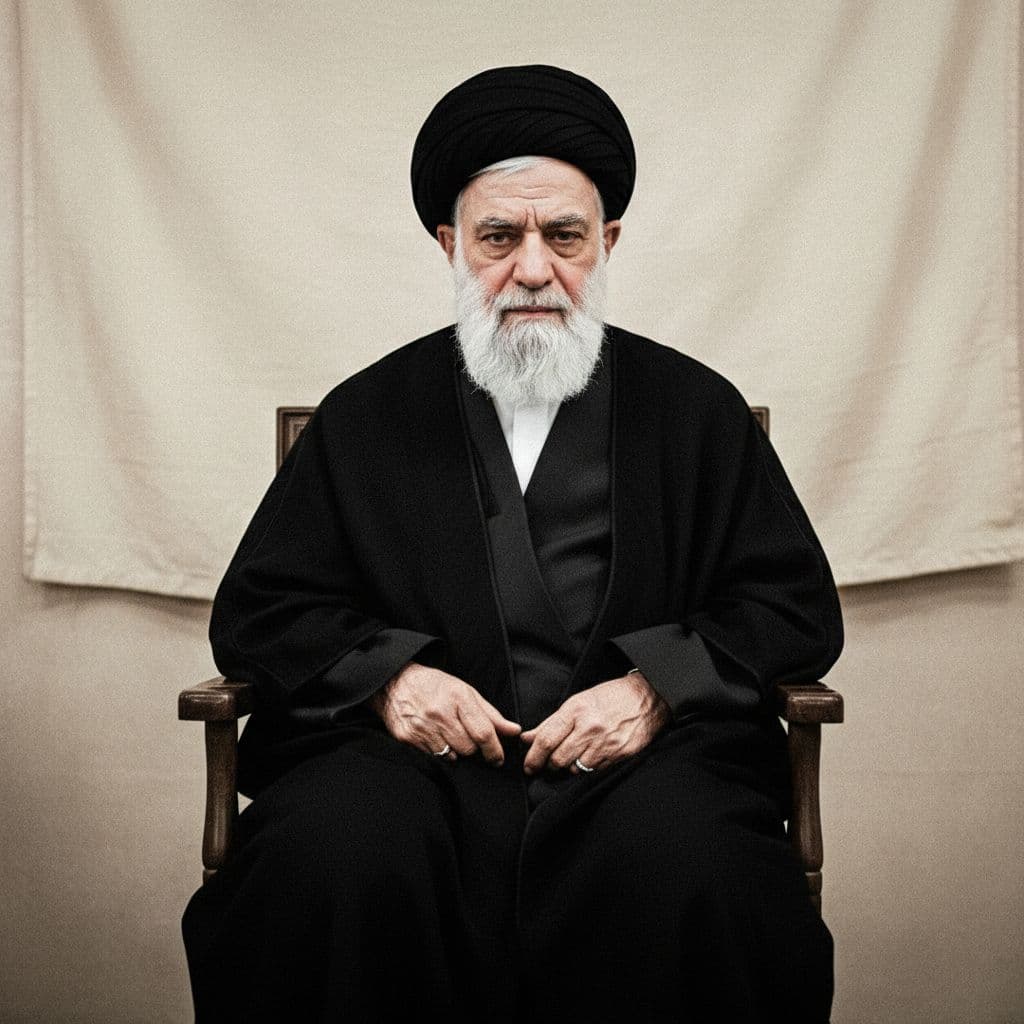 That’s not just ideology. It’s optics.
By releasing African-American hostages and women, portraying itself as a defender of oppressed minorities and protector of women in Islam, Iran could tell multiple audiences a carefully packaged story:
- To the global South and anti-imperialist audiences: “We stand with the oppressed.”
- To Americans watching at home: “Our fight is with your government, not everyone.”
- To US leadership: “We can control the narrative inside your own society.”
The video adds humor here, imagining white hostages asking freed black hostages to “put in a good word.” The joke lands because it highlights the uncomfortable truth of the tactic: Iran wasn’t simply being “nice.” It was making a political statement using America’s own racial hierarchy as a prop.
The release wasn’t only a humanitarian gesture in the video’s telling; it was a messaging play designed to separate “the people” from “the state.”
The narrator also explains why at least one Black hostage was not released: a Marine Corps embassy guard named Carl (as presented in the video), who allegedly had access to sensitive information. In that logic, his role, not his race, made him too valuable to let go. The key point stays consistent: the captors treated “government-linked” hostages as bargaining chips, even when the individual didn’t fit the broader symbolic categories.
Under Ayatollah Ruhollah Khomeini,
America’s bind: oil, pride, public pressure, and a stressed president
Once the hostages remain in captivity, the video depicts the US trapped between competing goals. On one side, it wants to protect strategic interests (including oil influence) and avoid looking weak on the world stage. On the other side, it faces rising anger from Americans who see their fellow citizens held abroad.
The narrator also describes the US government using a familiar Cold War justification: fear that Iran could “fall to communism,” which becomes a reason to stay involved even if Iran demands to be left alone.
Meanwhile, the video claims everyday Iranian-Americans became targets of public frustration, with people demanding answers they couldn’t possibly have. That pattern is unfortunately common in international crises: complex geopolitics gets simplified into local blame.
All of this pressure concentrates on President Jimmy Carter, who the video portrays as anti-war and reluctant to send troops. Carter tries quieter methods first, including intelligence operations like the Canadian Caper to extract some Americans who were not part of the main hostage group. The narrator references this as the basis for the Argo storyline.
When Iranian leadership realizes covert escapes are happening, the video says they respond by moving hostages to a more secure prison setting. That triggers the next escalation amid internal debates, including opposition from Secretary of State Cyrus Vance: Jimmy Carter authorizes Operation Eagle Claw, a military effort to rescue the hostages by force, but the video describes those attempts as plagued by equipment failures and crashes.
In the end, the video says Carter makes a deal that amounts to: the US will leave Iran alone, and Iran will release the hostages. The Shah, however, is not returned, because the video states he died during this period.
The political aftershock: election timing and a relationship that never reset
The narrator adds two political consequences that matter in the American context:
First, the 444-day Iran hostage crisis damages Jimmy Carter politically, because it makes the presidency look stalled and powerless. Second, the video claims Ronald Reagan benefits from that perception during the 1980 election.
The speaker also gives Carter a measure of credit: even after losing the election, Carter keeps working on the hostage issue until the last day of his term, and the hostages are released on January 20 1981.
Even if you strip away the editorial tone, the strategic lesson remains: timing is power. When a crisis drags, the public doesn’t only judge the situation. They judge the leadership’s ability to end it.
From Iran’s perspective, the crisis also hardens something that lasts longer than any single deal, a deep distrust of US intentions. From the US perspective, it cements Iran as an adversary that humiliated America on camera.
And once two countries lock into that storyline, every later incident starts to feel like “same movie, new scene.”
What this story signals about US-Iran tensions today (according to the video)
Near the end, the video shifts from the history of the Iran hostage crisis to message strategy in the present. The narrator’s argument is that Iran’s release of Black hostages fits a theme the Islamic Republic of Iran still uses: portraying itself as oppressed by the US government, while claiming not to be against ordinary Americans.
That’s a public relations stance with a clear incentive. If Iran can encourage American citizens to blame their own leaders for conflict, it gains breathing room and room to shape the long-term impact on diplomatic relations. If Iran directly harms American civilians, the opposite happens: the US public unites behind retaliation, and leaders gain political cover to escalate.
So the video’s bottom line is less “Iran is friendly” and more “Iran is careful about optics.” It wants the fight to look state-to-state, not people-to-people, because people-to-people wars create emotional permission for long campaigns.
In the video’s framing, releasing certain hostages wasn’t softness; it was a calculated attempt to define who Iran claimed it was fighting.
The narrator closes on a hopeful note, suggesting that certain political “chapters” can end and that a more peaceful arc is possible. Whether history cooperates is always the question, but the analysis is useful: international conflict often turns on the stories leaders tell their own publics, not only on weapons and treaties.
If you want more of the creator’s commentary style, the video’s author is Xevi, and you can find updates via Xevi’s TikTok account, Xevi on X, and Xevi’s Instagram page.
Conclusion
Iran’s decision to free Black hostages and women early didn’t happen in a vacuum. In the video’s telling, it was a strategic move built on a longer story about oil, foreign influence, and narrative control, with Ayatollah Ruhollah Khomeini trying to separate “oppressed people” from “state power.” The Iran hostage crisis then cornered the US between principle and pressure, until the Algiers Accords provided a resolution; Warren Christopher played a pivotal role in those negotiations, which featured the unfreezing of frozen Iranian assets. It left scars that still shape how both sides talk about each other. If there’s a lesson that travels, it’s that optics aren’t a side quest in geopolitics, they’re often the main event.
Learn more about Pulse of Fame and our editorial team. Want to weigh in? Join the conversation in the Pulse of Fame community forum.
Related: Why Do Black Men Like Big Butts? What Research and Culture Say