By Petty Pablo | Lead Social Analyst
By the time the live ends, the big takeaway is not just who said what. It is who gets to arrange the sequence, show the receipts, and tell the audience which details matter most. In this corner of YouTube, that usually decides everything.
- She says she went live after seeing a privacy complaint tied to her channel, which she frames as an attempt to shut her down.
- Most of the stream centers on her claims about Incoming Opinion, old photos, missing context, and a disputed timeline involving Ahmad.
- Dani plays part of a recording in which Ahmad says he felt misled by photos and lost interest after meeting in person.
- She argues that both sides behaved badly later, but says the public story became distorted because key messages and dates were allegedly left out.
- The larger theme is clear, receipts matter, but order matters even more.
Why Dani says the live happened at all
The trigger, according to Dani, was a privacy complaint that landed in her inbox. She says the complaint was tied to a mugshot image she had posted and argues that it was not just about one post, but an effort to pressure or remove her whole channel. She treats that move as escalation, and the rest of the live follows that logic.
In her telling, she had already been trying not to push the topic further. Then the complaint appeared, and that changed the mood. From there, she pivots into a broader accusation, that other people wanted her quiet because her commentary could complicate a cleaner public storyline.
This is where Dani also revives an earlier grievance. She says she had already been targeted with an attempted doxxing effort in a prior live, one that allegedly used the wrong name and wrong identifying details. Her point is not that the attempt succeeded, but that it revealed intent. To her, the bad information actually proved the move was rushed.
The cleanest read of the stream is not “who won.” It is “who tried to shape the first draft before the full record was out.”
That idea drives almost everything that follows. Dani keeps returning to the same complaint, that people moved too fast, assumed what she was about to do, and exposed their own strategy in the process. She says she was discussing already-circulating material and not unloading a fresh batch of receipts at that point. In her view, others jumped first because they thought new material was coming.
The live also makes one thing very clear about Dani’s self-image. She does not present herself as someone choosing a side out of loyalty. She insists she is not “team him” or “team her,” but team timeline. Whether viewers buy that is another matter. Still, it is the frame she uses all night.
The real fight is over image control, not just one mugshot
A huge section of the live turns on Dani’s argument that Incoming Opinion, whom she also calls Brandy, has carefully managed how she appears online. According to Dani, the problem is not simply that old photos exist. The problem is that old photos, selective selfies, and certain angles allegedly created a misleading current image.
She repeatedly contrasts public-facing pictures with what Ahmad reportedly told her after meeting in person. She also argues that the mugshot matters because, in her view, it is the least controllable image in the set. That is her interpretation, not a confirmed finding. She treats the image as a kind of “raw file” and says that is why it became such a pressure point.
Dani goes further and claims public records support other details, including height, and that those details clash with how the person described herself elsewhere. Again, those are her allegations in the live, not facts confirmed here. What matters for the stream is how she uses them, as proof that the larger issue is inconsistency.
This section is less about appearance than it is about branding. Dani keeps saying viewers are reacting to a gap between presentation and reality. In her view, the audience is not upset because someone is not glamorous enough. The audience is reacting because someone allegedly sold one image, one lifestyle, and one version of events, while receipts suggested something messier.
That same logic spills into her comments about money and status. Dani mocks what she sees as fake flexing, designer talk, travel talk, and luxury talk that allegedly do not line up with the harder details in the receipts. Her real complaint is not “you are broke.” It is “you are performing wealth and superiority while asking for help behind the scenes.” That distinction matters because it explains why she returns so often to contradiction.
Ahmad’s account is the hinge of the whole story
The most substantial part of the live comes when Dani plays audio from Ahmad and starts walking through his version of the meetup. According to that recording, he was in Chicago for business and decided to meet her while there. Dani pushes back hard against any version of the story that makes it sound like a dedicated romantic trip planned around her alone.
From Ahmad’s side, as presented in the live, the connection moved fast online. There were flirty messages, affectionate talk, and escalating intimacy before the meetup. Then, once they met in person, he says the vibe changed. Dani asks him directly whether he felt catfished, and he says yes.
Her breakdown of his account comes down to three stages:
| Stage | Dani’s framing of the story |
|---|---|
| Before the meetup | Fast messaging, flirtation, attraction, and rising expectations |
| During the meetup | Ahmad allegedly felt the in-person appearance did not match the photos and became platonic |
| After the meetup | Hurt feelings, repeated calls, arguments, and a public receipts war |
Dani says Ahmad described dark FaceTime lighting, hair and large glasses obscuring the face, and a much different in-person impression than the photos suggested. She also says he believed he could still be friendly and hang out, but no longer wanted a romantic or physical connection. In her reading, that shift is what set off the later spiral.
This is also where Dani insists the missing messages matter. She says viewers were shown too little of the early flirtation and too little of the rejection phase that followed. According to her, key omitted messages included repeated expressions of love, sexual interest, and lines suggesting that the rejection was being felt in real time. She argues that without those messages, the public version makes it look like the wrong person was doing the chasing.
To be fair, Dani does not let Ahmad completely off the hook. She says he leaked material and admits he became rude and insulting once the calls and threats allegedly escalated. In other words, her own version is not “he was perfect.” It is “the public story left out the sequence that explains how it got ugly.”
What Dani says happened next, threats, leaks, and narrative control
Once the meetup falls apart, Dani says the tone changes completely. The live describes excessive calling, hostile texts, and threats on both sides. She says Ahmad told her he kept asking to be left alone and only started responding more aggressively after he felt threatened.
That is important because Dani uses it to explain why the receipts left private messages and landed on YouTube at all. In her version, this was not a careful plan months in advance. It was a nasty fallout that turned public after each side started telling people around them. She notes that both parties had already discussed it within their circles, which, in her view, made a leak almost inevitable.
Timeline of events as Dani describes them
- She says a privacy complaint pushed her to revisit the topic.
- She claims earlier attempts were made to identify or intimidate her with false personal details.
- She revisits already-circulating messages and says key context was omitted elsewhere.
- Audio from Ahmad is played, with him claiming he felt misled by photos and changed course after meeting in person.
- Dani says the post-meetup contact became excessive and hostile.
- She states that both sides traded disrespectful remarks, though she says the escalation did not begin equally.
- The stream ends with nickname polls, membership shout-outs, and promises of more members-only material.
Dani’s larger complaint is that she was expected to stay quiet while one side curated the archive. That is the phrase beneath the whole live, curated archive. She says the other party wanted to release selected texts, skip over damaging lines, and force everyone else to debate from an incomplete record.
That argument lines up with a wider truth of tea-channel culture. Screenshots alone rarely settle anything. People start comparing dates, call logs, voice notes, and side conversations until the sequence becomes more important than the screenshot itself.
Dani’s avatar argument turns into a bigger speech about authenticity
The live does not stay focused only on the Ahmad dispute. Dani also spends a long stretch talking about “avatars,” camming up, and why some creators stay anonymous. She draws a sharp line between a creator who goes live on camera and someone who relies on photos, profile images, or partial glimpses.
Her rule is blunt. If a creator never appears live face-to-face, she considers them an avatar. In that framework, posting old pictures does not count as transparency. It only counts as image management.
Dani then explains why she remains off-camera herself. She says her anonymity is tied to real-life stakes, especially her education and career. She mentions being in a PhD program and frames that as a reason to protect her identity, not a reason to fake one. That distinction matters to her, because she is trying to separate privacy from deception.
This section also folds back into one of her favorite themes, flexing. She says she dislikes channels that talk constantly about luxury, status, and superiority, only for receipts to suggest a much less polished reality. Her examples are pointed, including the idea of someone posing in a car lot for optics rather than ownership.
The point, again, is not luxury itself. It is performance. Dani is basically saying that a lot of YouTube conflict starts when branding collides with what private evidence suggests. Once that happens, every old post becomes retroactive evidence.
What we know, what’s alleged, and what still sits in the gray area
This breakdown is easiest to follow when the claims are separated clearly.
| Category | Details |
|---|---|
| What’s stated in the video | Dani says she received a privacy complaint, revisits earlier doxxing claims, plays audio of Ahmad’s account, argues that messages were selectively shown elsewhere, and defends her own role as someone restoring missing context. |
| What’s alleged | She alleges old or misleading photos were used, some public records support her identification claims, key texts were omitted, and the competing version of the story was shaped to protect one side. |
| What’s speculation | The full motive behind the privacy complaint, what the complete unedited record would prove, whether every image was edited, and how much each side intended from the start remain uncertain. |
The most solid takeaway is not about looks, money, or even romance. It is about who got to frame the story first, and who had enough receipts to challenge that frame later.
Official links referenced
Note: This article discusses commentary from a publicly available video. Claims described here are attributed to the speaker(s) and are not presented as confirmed facts.
Conclusion
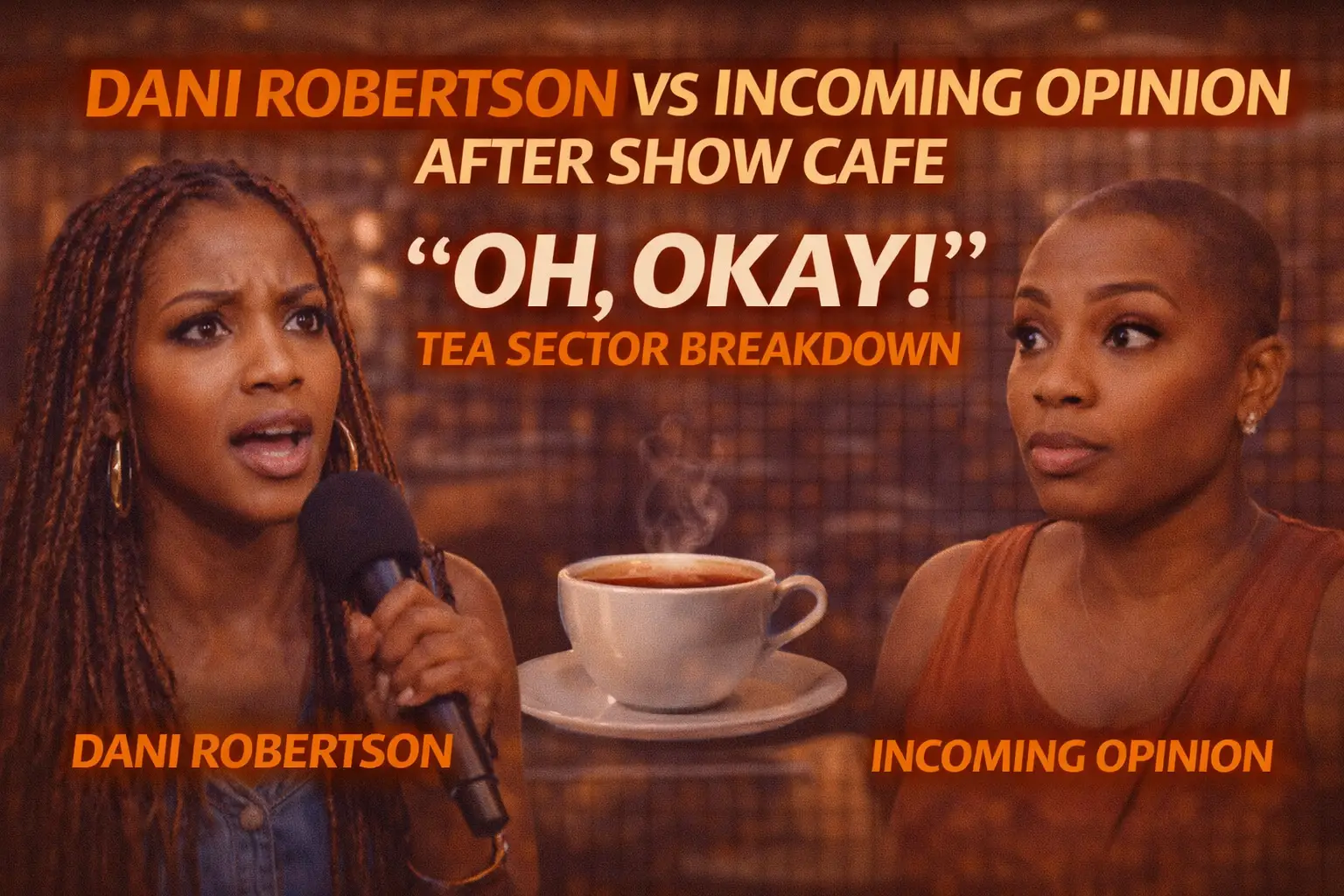
Dani Robertson’s “Oh, Okay!” live is excessive by design, but its mission is straightforward. She is trying to reclaim authorship of the timeline by arguing that screenshots without sequence can mislead, and that selective receipts harden into public truth very fast. Whether viewers agree with her or not, the strongest takeaway stays the same, in this slice of YouTube, the timeline usually controls the narrative, at least until someone drops a fuller set of receipts.