By Petty Pablo | Lead Social Analyst
A “clean up” interview is supposed to quiet the timeline. This one did the opposite.
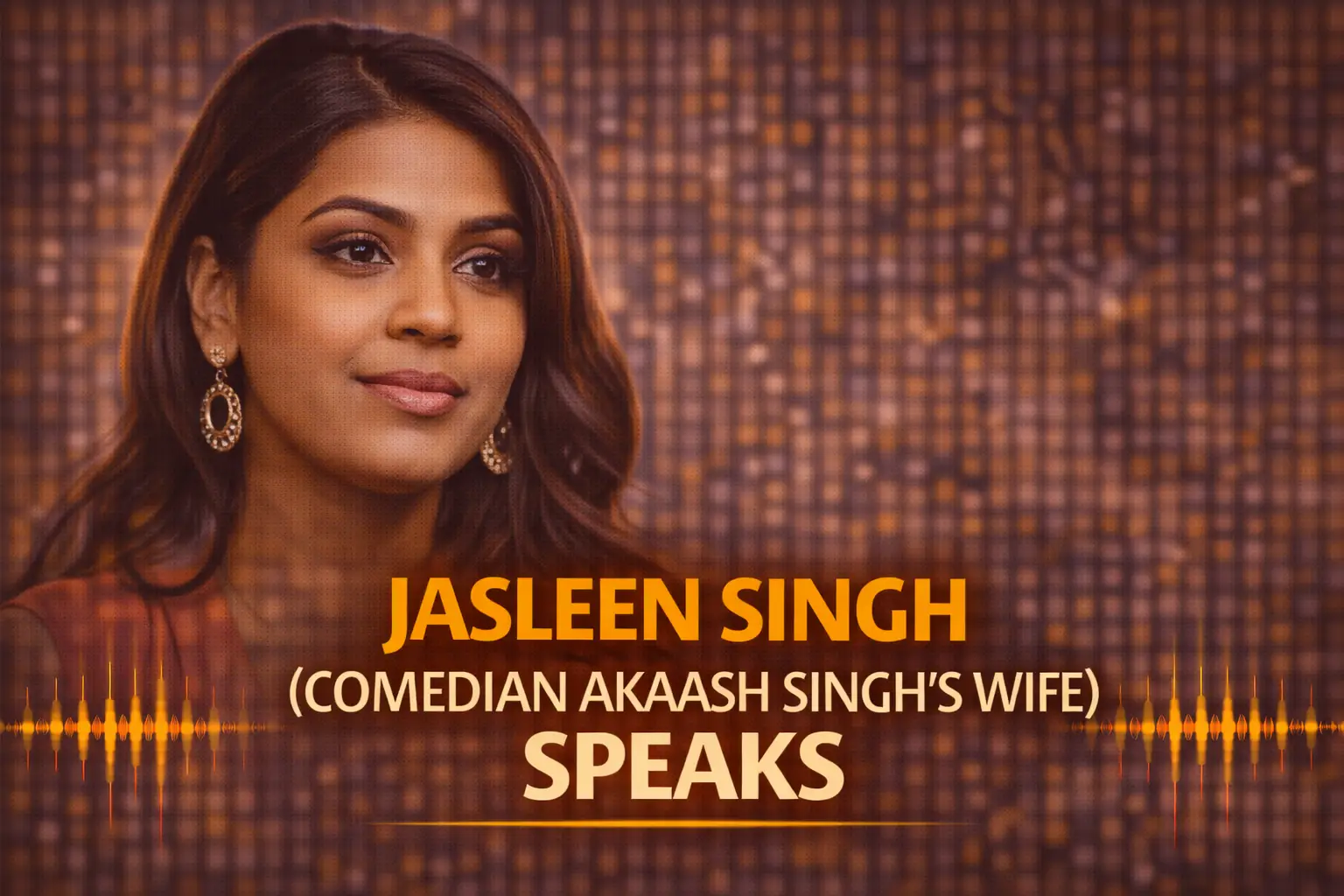
In a new round of commentary, Jasleen Singh (comedian Akaash Singh’s wife) talks through backlash tied to podcast clips, a failed co-host partnership, and what she frames as narrative-building by outsiders. Aba N Preach watch it all play out and focus on a simpler question: when the internet is reacting to your own uploads, how much of the chaos is external, and how much is self-inflicted?
- Jasleen suggests parts of Akaash Singh’s podcast audience skew “racist and right-wing,” and that the loudest critics came from that corner.
- Aba N Preach agree some loud voices can be ugly, but argue the central backlash was about Jasleen’s own on-mic claims, not her identity.
- She explains why her show Main Character Podcast ended, citing a fast friendship, mismatched styles, and different expectations during controversy.
- The video questions her use of bots and “narrative-building” as a catch-all explanation for widespread negative reaction.
- A separate “toxic friendship” segment (from the other side of the collaboration) reads, to the hosts, like indirect shade after an unfollow-and-split.
Why the “Flagrant fan base” comment hit a nerve
Jasleen’s most headline-ready line is also the most combustible: she separates Akaash’s comedy audience from the show’s podcast audience, then claims the podcast crowd includes people who are “really racist and right-wing.” In the video, Aba N Preach immediately clock why that lands like a grenade. It’s not just a critique of anonymous commenters, it’s a broad brush aimed near the brand that pays the bills.
Aba N Preach’s read is calibrated: they don’t deny that every large audience has a loud, messy fringe. They even concede that the most vocal people can fit the description she’s giving. The pushback is about placement of blame. In their view, the heat didn’t spike because “brown women are opinionated,” it spiked because of what was said on mic, and because the clips were easy to interpret without extra context.
The video also references a now-famous warning from Charlamagne tha God, framed as the blunt version of brand protection: keep your spouse out of the content machine if it’s going to create avoidable headlines. Aba N Preach treat that line as less “mean,” more “strategy,” because the internet doesn’t grade on intent, it grades on impact.
Their broader point is about optics. When you tell the public the backlash is coming from “those people,” you may win moral framing for a moment. Still, you also risk telling neutral observers that criticism doesn’t count unless it comes from the “right” demographic. That’s a risky stance when the clips are, according to the hosts, already doing enough damage on their own.
Why Main Character Podcast ended, and how fast friendships crack under pressure
Jasleen also explains the short life of Main Character Podcast, a show she says began with a quick friendship and a dinner conversation. According to her account, she met her would-be co-host (Nahol), they clicked quickly, and Nahol pitched the idea. Jasleen says she was unsure at first (she mentions that women’s friendships can be tricky), but that Akaash encouraged her to try it.
That origin story matters because it sets up the breakup. In the video’s retelling, the collaboration goes public, then controversy hits early, and the relationship never stabilizes. Jasleen describes two different content temperatures: she sees her own style as more raw and unfiltered, while she frames her co-host’s approach as more polished and influencer-coded. Even if nobody is “wrong,” that mismatch becomes a business problem fast, because audiences can feel when chemistry is forced or when two people are selling different shows on the same feed.
A key moment in her telling involves wanting more support from her co-host during the online backlash. She says, in essence, that loyalty matters to her (she even tags it to being a Leo), and she wished her co-host had been more present. Aba N Preach don’t treat that as a universal standard. Their counter is simple: if you said the controversial line, it’s not your co-host’s job to fall on the sword for you. A co-host can ask you to clarify, push back, or slow down. That’s different from running PR defense.
The video also highlights how quickly “friend” becomes a heavy label. Aba N Preach point out that people often confuse colleagues with real friends, then feel betrayed when a colleague behaves like, well, a colleague. It’s a quiet lesson with loud consequences: fast intimacy feels good until the first crisis exposes that you never agreed on expectations.
The “brown Call Her Daddy” comparison, and the branding trap inside it
Jasleen frames the show’s ambition as filling a missing lane, basically a “brown Call Her Daddy.” In the video, that comparison gets mixed reactions. On one hand, Aba N Preach acknowledge the underlying desire: an unfiltered women-led show from a perspective that doesn’t always get mainstream space. They even call that kind of voice “necessary” in theory, because the market is full of copy-paste formats that rarely reflect everyone.
On the other hand, they question the branding choice of defining yourself as an ethnic or gendered remix of someone else’s franchise. Their critique isn’t that identity is irrelevant. It’s that identity can become a crutch when it replaces clarity about what you uniquely offer.
Aba N Preach frame it like this: when you say “we’re the brown version of X,” you’re borrowing existing recognition because you haven’t built your own yet. That can help discovery, but it can also limit you. Now the audience judges you by someone else’s rules, and your critics can write you off as cosplay instead of craft.
They also suggest that performative personas create a trap door. If your on-mic character is “hyper-liberated” (their framing), and you later say, “that’s not really me,” you’ve trained your audience to treat your words as either literal truth or calculated performance. Either way, trust gets expensive.
The sharper angle in the video is psychological: when creators feel exposed, they sometimes retreat into identity framing as a shield. Criticism becomes “they hate brown women” instead of “they didn’t like that message.” Aba N Preach argue that this move may feel protective, but it also blocks the simplest repair tool in media: direct accountability for the actual quote people heard.
For context on the wider storyline, the hosts reference the earlier Flagrant episode where Akaash and Jasleen discussed the situation at length, which is available as Flagrant’s “Akaash Singh situation” episode on YouTube.
Bots, “narrative-building,” and the problem with blaming the machine
Another key claim Jasleen makes is that parts of the backlash were driven by bots and narrative-building, and that once a story “feels true” online, it becomes difficult to stop. Aba N Preach don’t fully dismiss the concept. They acknowledge that coordinated commenting, algorithmic amplification, and repeated framing can shape perception, especially for casual viewers.
Their argument is about scale and source. Even if you grant that some percentage of comments are inorganic, the video asks a pointed question: what about everyone else, including people offline, who reportedly reacted with concern after seeing the clips? Aba N Preach treat that as the litmus test. Bots don’t explain friends, acquaintances, and long-lost contacts reaching out because they watched something and had a real emotional read.
They also underline a basic media truth: if the controversial clip is from your own channel, the “out of context” defense gets weaker. In their framing, editing is itself context. If you posted it, you chose the framing the audience consumed. At that point, blaming the internet starts to sound like blaming the mirror.
Aba N Preach also connect this to a wider habit they see in podcast culture: creators sometimes treat all criticism as bad-faith “hate,” which keeps their ego intact but prevents learning. They compare that reflex to the way Andrew Schulz (one of Flagrant’s faces) often talks about “haters,” suggesting the posture can become part of the show’s identity.
When the story is built from your own uploads, narrative control starts at the mic, not in the comments.
The deeper takeaway here is less moral, more strategic. If your brand depends on unfiltered talk, then the cost of being unfiltered can’t surprise you later. You can’t sell volatility as entertainment, then act shocked when volatility becomes the headline.
The “toxic friendship” segment, and why it reads like post-breakup messaging
Late in the video, attention shifts to a “toxic friendship” discussion that appears connected to the former co-host. Aba N Preach clock the timing: the show ends, the parties unfollow each other, and then a public segment appears listing signs of toxic friendships.
In the segment as described, the “signs” include dynamics like constantly demanding more, disrespect in tone, and pulling third parties into an A-to-B conflict. There’s also a “main character” framing, meaning someone who centers themselves and expects others to orbit around them. Aba N Preach treat the list as familiar influencer language, part therapy-speak, part content format.
Their point isn’t that any one sign proves anything. It’s that the messaging functions like a soft rebuttal without naming names. That’s a common play in creator breakups: you avoid direct accusations, but you seed a narrative that tells your audience how to interpret the split.
They also bring the conversation back to business. One host argues that “friendship first” can be overrated in entertainment partnerships; what matters more is values alignment and clear roles. They reference examples like long-running on-camera duos who weren’t close off-camera, suggesting that chemistry can be professional rather than personal.
An analogy in the video lands because it’s simple: if someone keeps playing with matches, you don’t debate their intentions, you remove the matches. In that framing, ending a podcast isn’t “punishment,” it’s containment. It protects the household brand before the next clip sets off another round.
Timeline of Events
- Jasleen appears on another podcast and comments on Akaash’s broader audience, separating comedy fans from podcast fans.
- She claims the loud fringe of the podcast audience includes racist and right-wing voices.
- Aba N Preach react, noting some loud fans may fit that description, but arguing the main backlash was driven by Jasleen’s own statements.
- Jasleen discusses starting Main Character Podcast after quickly becoming friends with her co-host (Nahol) and pitching the idea at dinner.
- She says controversy hit early, content styles differed, and friendship expectations didn’t align.
- Jasleen describes wanting more support during the backlash and frames loyalty as a key expectation.
- The video discusses her comments about bots and narrative-building, and counters that real people also reacted strongly.
- A “toxic friendship” segment appears in the discussion, which Aba N Preach interpret as possible indirect commentary after the partnership ended.
- The hosts close by debating “colleague vs friend,” and why values alignment often matters more than personal closeness in show business.
What We Know vs What’s Speculation
| Category | Details |
|---|---|
| What’s stated in the video | Jasleen says parts of the podcast fan base are racist and right-wing, she explains how Main Character Podcast started and why it ended, and she mentions bots and narrative-building as factors in online backlash. Aba N Preach respond by saying the criticism was mainly about her rhetoric and public clips. |
| What’s alleged | The idea that a meaningful share of backlash was bot-driven, and the implied claim that certain online criticism was primarily rooted in racism or misogyny rather than the content itself. |
| What’s speculation | That the “toxic friendship” segment is directly aimed at Jasleen, and that internal Flagrant dynamics (including Akaash’s absence, referenced in the video description) are caused by this controversy rather than unrelated scheduling or production reasons. |
Where to follow Aba N Preach and the wider community
If you want to track how this conversation evolves, Aba N Preach point viewers to their platforms and community spaces. Their official drop points include Aba N Preach on Spotify, Aba N Preach merchandise, the Aba N Preach Discord community, the Aba N Preach subreddit, and Aba N Preach on Patreon.
Note: This article discusses commentary from a publicly available video. Claims described are attributed to the speaker(s) and are not presented as confirmed facts.
The Final Verdict
This update isn’t really about one comment section, it’s about accountability math. If your controversy is built from your own audio, your own editing, and your own upload schedule, then bots and “bad fans” can’t carry the whole explanation.
Aba N Preach’s underlying thesis is clean: identity-based framing may win sympathy, but it doesn’t fix mismatched messaging. In creator media, the mic is both the product and the liability, and the audience will always treat your words as the brand’s official statement, because most of the time, it is.
Learn more about Pulse of Fame and our editorial team. Want to weigh in? Join the conversation in the Pulse of Fame community forum.
Related: EJ Johnson Says He Only Dates Straight Men: Breaking Down the Viral Interview