By Agent 00-Tea | Lead Investigative Auditor
If you’ve followed the online chatter around Jeffrey Epstein’s jailhouse end at the Metropolitan Correctional Center, where he was held on sex trafficking charges, you already know the routine: the story gets told, the holes get pointed out, and then the internet asks the same question again, louder. This video leans into one piece that doesn’t get nearly as much daylight: what another inmate says he heard, and who he says said it.
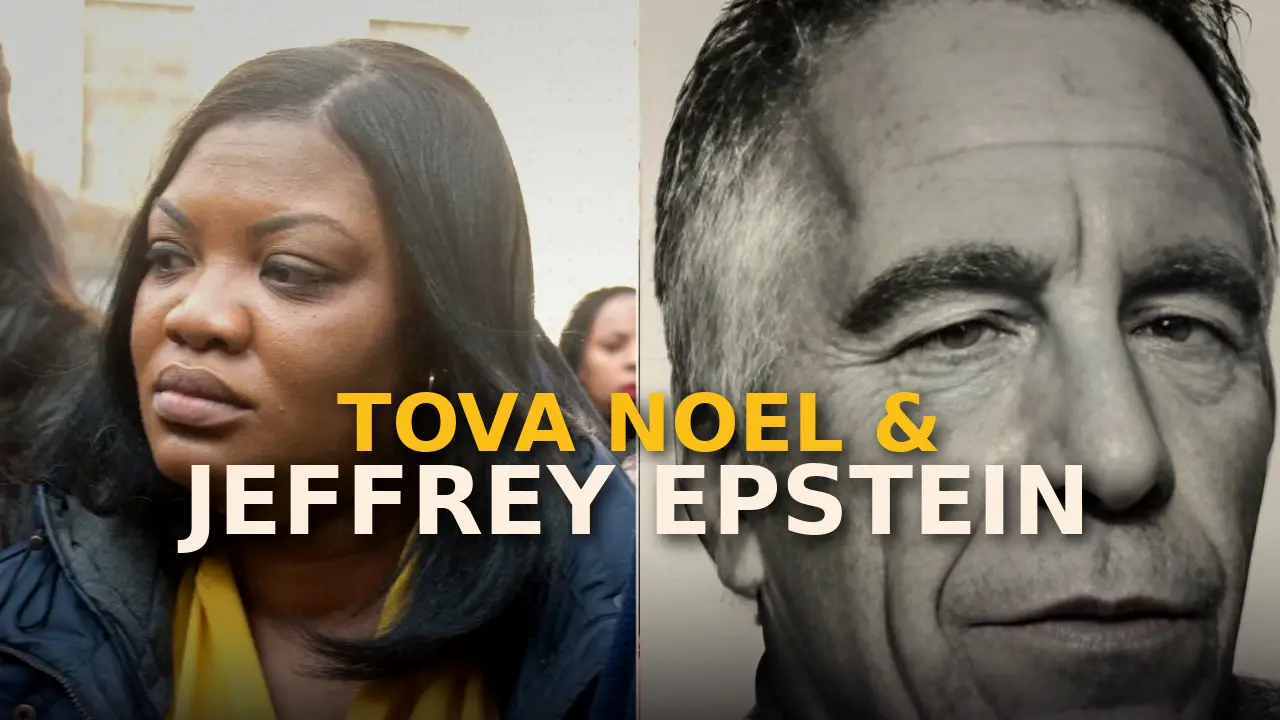
At the center is an FBI interview with an inmate named Rayshaun (Ray Shawn) Jones, whose Rayshaun Jones Epstein account alleges something far bigger than “staff mistakes.” It also brushes up against the name Tova Noel, one of the corrections officers later charged for allegedly falsifying records related to required checks. This is the “Prison Guards Epstein Tova Noel Rayshaun Jones” thread as presented in the video, with the context it includes and the limits it doesn’t.
The official story vs. the doubts people won’t let go

The video opens with the familiar list of “how did this happen” details surrounding Jeffrey Epstein that have fueled years of suspicion and conspiracy theories. We’ve heard versions of the same points over and over: cameras that should’ve captured key moments, guard checks that should’ve happened on schedule, and a system that somehow malfunctioned at the exact worst time.
As the creator puts it, “We’ve been told that it was a selfdeion, let’s say.” In other words, the public version has largely been framed as a suicide, while the surrounding failures make the story feel unfinished to a lot of people.
If you want mainstream reporting on the correctional officers’ failures in the guard-check allegations and the idea of falsified logs, the video’s claims sit in the same universe as coverage like The New York Times reporting on the guards’ accounts and the Miami Herald write-up on federal charges against guards. That reporting focuses on negligence and records, not the more explosive accusation raised in this video. The New York Times piece details accounts from Tova Noel and Michael Thomas, the second corrections officer involved in the incident.
Who is Rayshaun (Ray Shawn) Jones, and why was he near Epstein?
The video describes Jones as a serious gang-affiliated figure who was incarcerated in the same Bureau of Prisons facility as Jeffrey Epstein. It also frames his housing situation as unusual: he was placed in a highly restrictive environment (described as a specialized housing unit) and later moved to different tiers.
That placement matters because it shapes what he could hear, what he could see, and how much contact he had with officers compared to a typical unit. The video’s argument is simple: if you’re stuck in a tight, controlled area, you notice patterns fast, especially when routines suddenly change.
The 2013 Bronx robbery case the video cites
To explain how Jones ended up where he did, the video walks through a 2013 case involving a robbery at a car dealership in the Bronx where an off-duty police officer, Juan Picardo, was shot in the thigh and survived.
The officer reportedly fought back, wrestled the gunman, and held him until police arrived, despite being injured.
Blood Hound Brims context and the cooperator angle
Next, Trap More Ross connects Jones to the Blood Hound Brims, describing them as a New York City-based faction within the broader Bloods structure. It also references prosecutions of alleged leadership, including a figure named Brandon Green, who received a 25-year sentence for racketeering, narcotics, and firearms offenses.
Jones continued a drug operation even after signing a cooperation agreement, including while in a private prison setting (GEO is mentioned).
“Jones is the worst cooperator he has ever seen,” the judge allegedly said, as quoted in the video, noting the judge’s years of experience as both prosecutor and judge in Manhattan federal court.
What Jones described about day-to-day life inside the unit
Before Jones’ account gets to Jeffrey Epstein’s final night, the video says his FBI interview spends a lot of time on the basics: the unit’s routine, how checks were supposed to work, and how often they didn’t.
One small but useful way to frame it is as “policy vs. practice,” because Jones allegedly describes a schedule that exists on paper, then describes officers walking past cells without looking.
Here’s the check schedule Jones reportedly gave, alongside what he claimed actually happened.
| Category | Schedule Jones described | What Jones claimed happened |
|---|---|---|
| Weekday counts | 4:10, 3, and 5 (as stated in the video) | Officers sometimes walked by without looking in |
| Weekend count | 10:00 a.m. | Counts were inconsistent |
| Overnight rounds | 30-minute rounds | He claimed he didn’t see rounds after midnight before Epstein’s end |
The video also describes harsh conditions Jones claimed he dealt with: dead mice, bugs, an open hole under the sink, and delays in getting basics like blankets and cleaning supplies. It says he ended up on suicide watch after covering a window, allegedly because he couldn’t get what he needed.
The picture Jones paints is less “high-security precision” and more “everyone is tired from staffing shortages and mandatory overtime, nobody follows the schedule, and the unit runs on vibes.”
The night Epstein died, according to Jones’ account in the video
This is where the video’s tone shifts from “broken jail operations,” including specific allegations of guard negligence like sleeping on the job and browsing the internet, to “did someone do this on purpose?”
Jones’ statement, as described, places him around the time of Jeffrey Epstein‘s death. He claims officers served dinner and that trays were not taken out afterward. Later, at about midnight, he describes inmates kicking doors and yelling about the lights being turned off.
The video says a new officer came in and told him not to expect rounds, and it also claims someone turned on a fan or heat in a way that blocked noise. Jones then describes dozing off and waking repeatedly.
The “breakfast” exchange that becomes the center of the allegation
According to the video, Jones claims that during breakfast service the next morning, an inmate confronted an officer with a direct accusation: “You killed that dude.”
Then comes the line the entire video is built around. Jones allegedly reported the officer replied:
“If he’s dead, we’re going to cover it up. And she is going to have an alibi, my officers.”
The video claims Jones said the whole tier heard it. It also says that after news spread that Epstein had died, officers allegedly repeated variations of “I didn’t kill him,” which the creator treats as suspicious in itself.
For context on how officer checks and log allegations were described in news coverage, the video’s discussion aligns thematically with reporting like Courthouse News on alleged faked bed checks, although the “bragged about a cover-up” line is presented in the video as coming from Jones’ account, not from those articles on falsified records and charges of falsifying government records against the staff.
What changed after, and what the video says you can look up
The creator ends by pointing out a claimed behavioral change inside the facility after Jeffrey Epstein’s death: Jones allegedly said officers had to sign a pad near a door to prove they’d done rounds, and “now they’re doing rounds.”
That detail functions like a punchline in a dark comedy. When the stakes were highest, the checks allegedly weren’t happening, as confirmed by the inspector general’s report on the facility’s failures. After the headline hit, the system suddenly found its clipboard. The two guards on duty faced charges, but they entered deferred prosecution agreements that required community service, resulting in dropped charges.
Conclusion
The video doesn’t present a tidy ending, it presents an uncomfortable one: a messy witness, a chaotic unit, and an alleged quote that sounds like something you’d expect in a script, not a federal facility. Still, the reason people keep circling Jeffrey Epstein’s unprecedented case is simple: the official version from the medical examiner and Justice Department feels too clean for the reported breakdowns around it, including prison guards’ lapses tied to his suicide. With Ghislaine Maxwell’s conviction adding to the legal fallout, if nothing else, the Rayshaun Jones claim shows how one statement can keep a story alive for years, even when most names stay redacted.
Learn more about Pulse of Fame and our editorial team. Want to weigh in? Join the conversation in the Pulse of Fame community forum.
Related: The Tasha K Files: Jay Z Beyonce face follower fallout