The Final Frontier of Fandom: Navigating Story, Agenda, and the Perils of Premature Judgment in New Star Trek
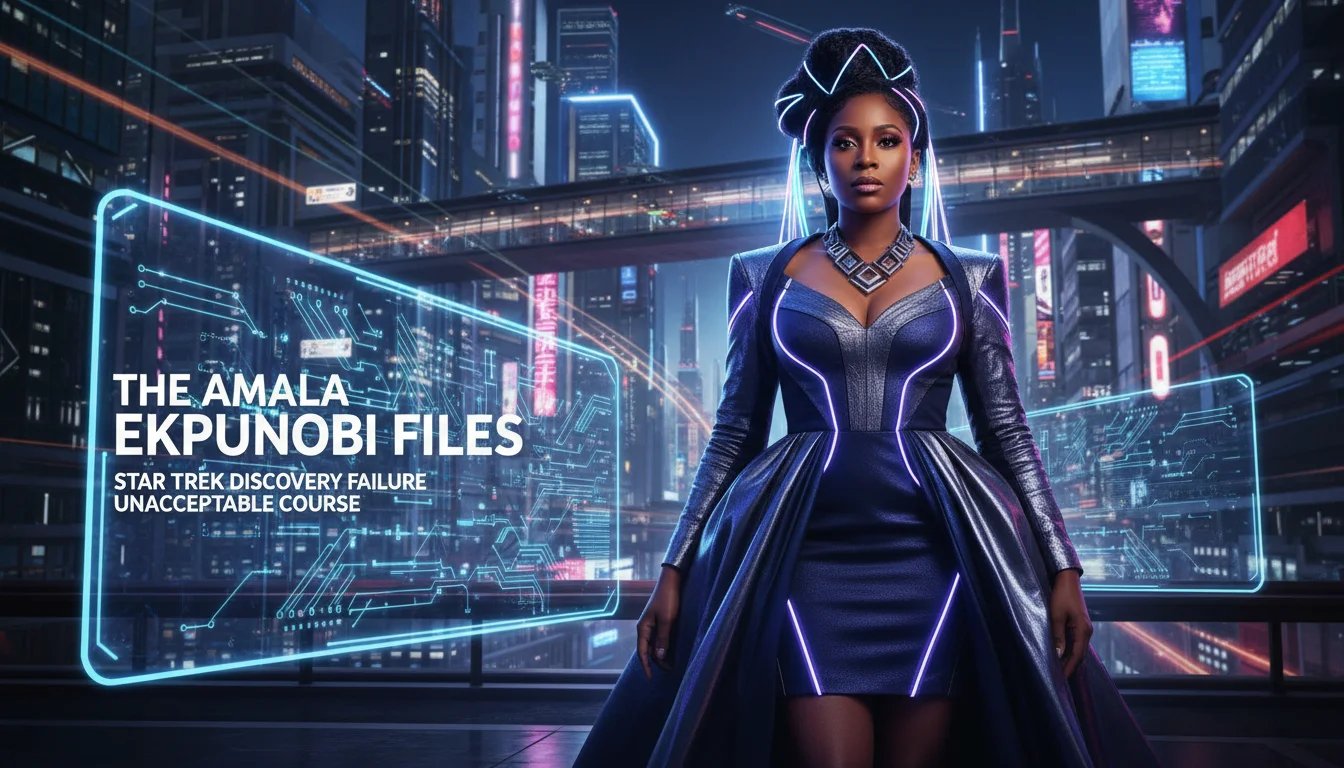
By Agent 00-Tea The central argument presented is that a new Star Trek adaptation, released on Paramount+, is “bombing” due to its “woke” nature, evidenced by its lower live viewership compared to a livestream focused on toy dolls. The implication is clear: Hollywood is prioritizing a political “agenda” over quality storytelling, leading to the adaptation’s purported failure. This is a familiar refrain in contemporary media criticism, often surfacing when established franchises attempt to diversify their casts or narratives. But does this argument hold water? Defining “Woke” and Measuring Success The term “woke,” as used in this context, remains nebulous. It’s often employed as a catch-all to describe narratives incorporating themes of social justice, diversity, or challenging traditional power structures. The assertion that a project is “woke” inherently implies a negative judgment, suggesting that these themes are detrimental to the quality of the story. However, it is crucial to unpack what aspects are being criticized. Is it the execution of these themes, the perceived lack of subtlety, or simply the presence of these themes at all? Without specifics, the argument risks becoming a vague dismissal of anything perceived as deviating from established norms. Furthermore, equating live viewership on a single platform (YouTube) to the overall success or failure of a Star Trek adaptation is a problematic metric. Paramount+ is a subscription-based streaming service, and viewership patterns differ significantly from free platforms like YouTube. Many fans might choose to watch the adaptation directly on Paramount+ at their convenience, rather than participating in a live premiere. To accurately assess the adaptation’s performance, one would need comprehensive data on subscriptions, total streaming hours, critical reviews from a variety of sources, and long-term audience engagement. The Story vs. Agenda Dichotomy: A False Choice? The claim that Hollywood must choose between “story” and “agenda” presents a false dichotomy. A compelling story can, and often does, incorporate socially relevant themes. Many classic Star Trek episodes, for example, tackled issues of racism, war, and inequality, reflecting the social concerns of their time. The key lies in the skillful integration of these themes into the narrative. When themes are heavy-handed, preachy, or feel shoehorned in, they can indeed detract from the viewing experience. However, dismissing any attempt to address social issues as inherently detrimental to storytelling is a disservice to the potential for thought-provoking and relevant narratives. Moreover, the accusation of an “agenda” often implies a cynical manipulation of the audience. While it is possible for creators to prioritize political messaging over artistic integrity, it is equally possible for them to genuinely believe in the importance of the themes they are exploring. To automatically assume malintent based solely on the presence of certain themes is a form of intellectual dishonesty. Premature Judgments and the Power of Nostalgia It’s also vital to acknowledge the power of nostalgia and the resistance to change within established fanbases. Star Trek has a long and storied history, and many fans hold deeply cherished memories of previous iterations. Any attempt to deviate from established canon, introduce new characters, or explore different perspectives is likely to face scrutiny and, in some cases, outright rejection. This resistance is not necessarily indicative of the adaptation’s inherent quality, but rather a reflection of the protective instinct many fans feel towards their beloved franchise. Finally, judging the success or failure of a new adaptation based on a single data point, such as a YouTube premiere’s live viewership, is premature. It takes time for a series to find its audience, build momentum, and establish its place within the broader Star Trek universe. A more nuanced and comprehensive analysis would require a longer period of observation and a broader range of data points, moving beyond the initial knee-jerk reactions and considering the long-term impact of the adaptation. It also requires some nuance: maybe the agenda is negatively impacting the story. What aspects, specifically, are not working? In conclusion, while the critique raises valid concerns about the potential for poorly executed social commentary in entertainment, the presented evidence and the framing of the argument are problematic. The success of a Star Trek adaptation cannot be accurately determined by a single YouTube premiere, and the dichotomy between “story” and “agenda” is a simplification of a complex issue. A more thoughtful and nuanced approach is needed to assess the true merits and potential of this new addition to the Star Trek universe.Learn more about Pulse of Fame and our editorial team. Want to weigh in? Join the conversation in the Pulse of Fame community forum.
Related: The Dr Umar Johnson Files: Dr. Umar claims Moore was set up.