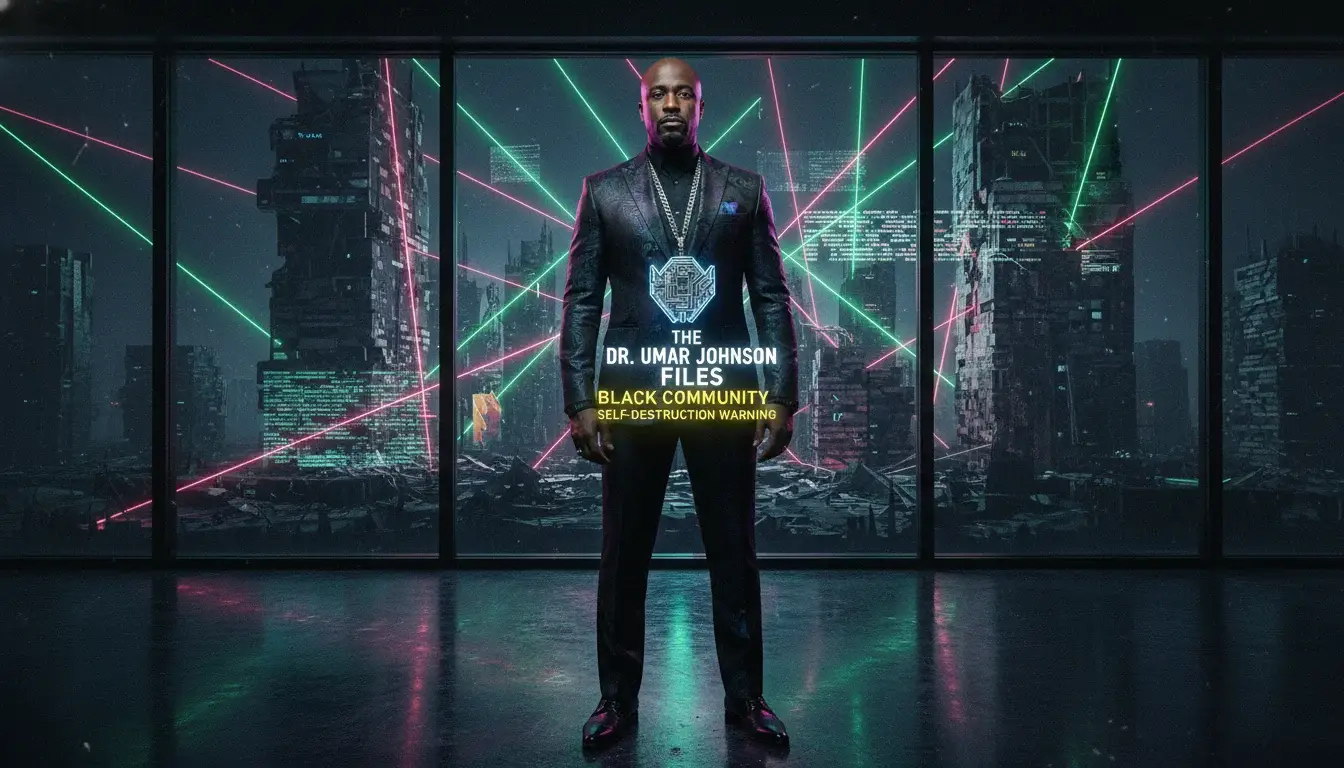
- Self-Sabotage as a Primary Threat: According to his philosophy, the biggest threat to Black communities doesn’t solely originate from external systemic oppression, although he acknowledges that it exists. Instead, he posits that internal weaknesses, destructive behaviors, and a lack of collective responsibility are major factors hindering progress. He is arguing that we are sometimes our own worst enemy.
- Importance of Strong Black Families: A recurring theme in Dr. Umar’s rhetoric is the critical role of the Black family unit, especially the role of fathers. He argues for a return to traditional values, seeing the disintegration of the nuclear family as a direct contributor to societal ills within the Black community. He sees the strong male figure as crucial for guiding the next generation.
- The Need for Economic Empowerment and Ownership: Dr. Umar frequently emphasizes the importance of Black economic independence. He pushes for greater financial literacy, entrepreneurship, and support for Black-owned businesses. His philosophy is that true liberation requires economic self-sufficiency and control over resources within the community.
- Critique of the Education System: He often expresses distrust of the mainstream education system, arguing that it does not adequately serve the needs of Black children. He is a staunch advocate for Afrocentric education and homeschooling, believing that these alternatives provide a more culturally relevant and empowering learning experience.
- Addressing Mental Health and Trauma: While often delivered with a strong dose of tough love, Dr. Umar, in his philosophy, acknowledges the pervasive impact of historical and contemporary trauma on the Black community. He often touches on the importance of addressing mental health issues and breaking cycles of abuse and dysfunction.
- Emphasis on Cultural Identity and Heritage: He consistently champions the preservation and promotion of Black culture and heritage. He often discusses the importance of knowing one’s history and embracing one’s identity as a source of strength and resilience. He sees a reclamation of heritage as essential for healing and progress.
- Call for Accountability and Personal Responsibility: A key element of his philosophy is a call for personal responsibility and accountability. He often challenges individuals to take ownership of their lives and to actively work towards improving themselves and their communities. He pulls no punches when discussing perceived failures and shortcomings.
- Combating Negative Influences: Dr. Umar frequently addresses the issue of negative influences within the community, such as crime, violence, and drug abuse. He often promotes strategies for combating these issues and creating safer and more supportive environments for Black youth. His approach is often direct and uncompromising.
Learn more about Pulse of Fame and our editorial team. Want to weigh in? Join the conversation in the Pulse of Fame community forum.
Related: The Zeus Network Files: Baddies brawl east coast reunion.