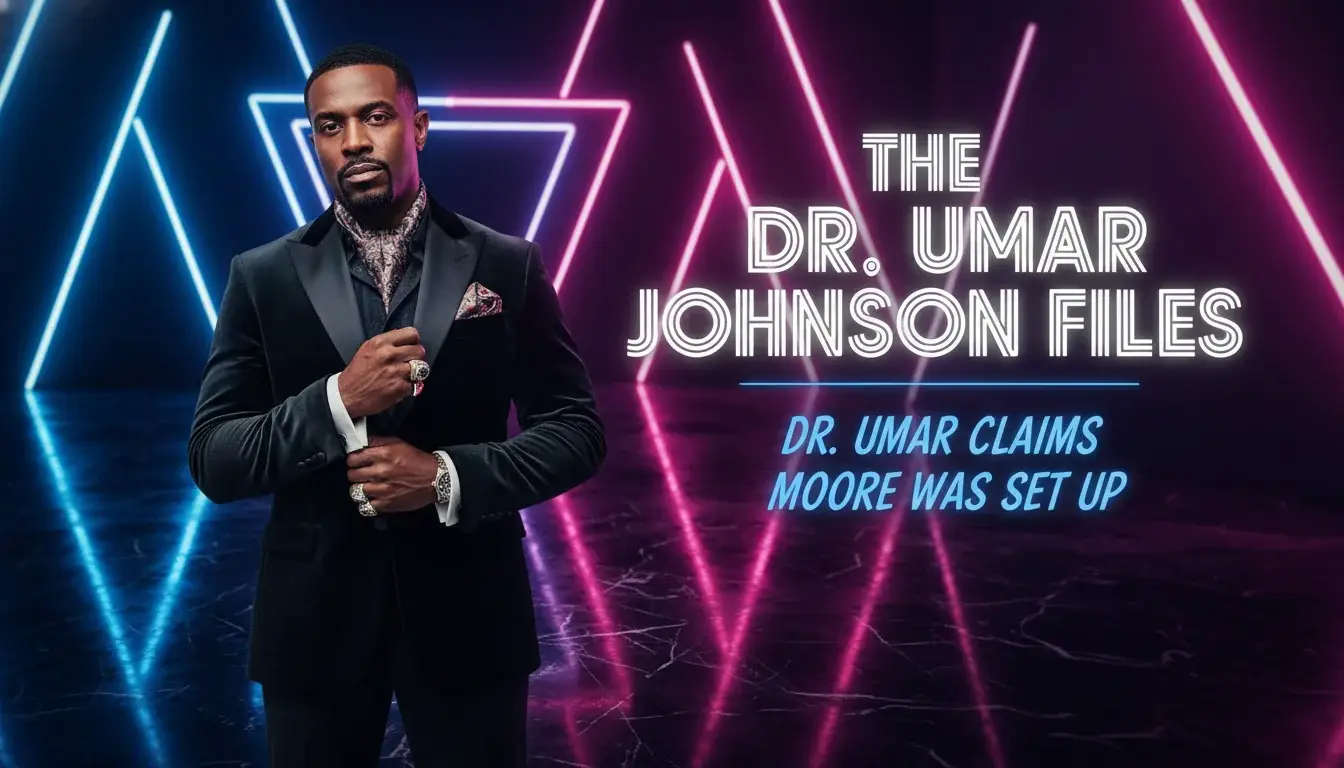
- Lesson 1: The Vulnerability of Black Men in Interracial Relationships (According to Umar): His philosophy often highlights what he perceives as the inherent risks for Black men who choose to engage in relationships outside of their race. He suggests that these men become targets, vulnerable to manipulation and potentially damaging accusations. This isn’t about promoting hate, but it’s rooted in his belief in protecting the Black family unit.
- The key takeaway here, if we’re stripping away the inflammatory language, is the potential for cultural misunderstandings and the increased scrutiny these relationships often face. Umar’s perspective is based on his interpretation of power dynamics and the historical context of race relations in America. He’s saying, in essence, that the world is watching, and sometimes, that gaze isn’t friendly.
- Lesson 2: The Importance of Black Unity and Solidarity: Dr. Umar’s perspective is almost always centered on strengthening the Black community. He advocates for prioritizing Black relationships and investing in Black institutions. In the context of the Sherron Moore situation, his stance suggests that solidarity within the Black community is paramount, even when faced with scandalous allegations. He implies that jumping to conclusions without considering the potential for ulterior motives is detrimental to the collective.
- Essentially, he’s preaching a form of “ride or die” loyalty within the race. Now, that can be interpreted in a number of ways, but the underlying message is about protecting your own and avoiding actions that could further damage the image or standing of Black individuals in the broader society. This is a common thread in Pan-Africanist thought.
- Lesson 3: The Dangers of “Snowbunny” Fetishization (Umar’s Terminology): Let’s be real, Umar doesn’t mince words. His use of the term “snowbunny” (which I do NOT condone using) speaks to his disdain for what he perceives as a fetishization of white women by some Black men. He believes that this fetishization stems from internalized racism and a lack of appreciation for the beauty and strength of Black women. He argues that it weakens the Black community and perpetuates harmful stereotypes.
- His philosophy often critiques the idea that proximity to whiteness equals success or validation. He sees it as a form of self-hate, leading Black men away from their own culture and potentially making them vulnerable to exploitation. This is where his message becomes particularly controversial, but it’s rooted in his interpretation of historical power dynamics and the lasting effects of colonialism.
- Lesson 4: The Media’s Role in Perpetuating Negative Stereotypes: Umar often accuses the media of actively working to tear down Black men, particularly those in positions of influence. He suggests that the media sensationalizes stories like the Sherron Moore situation to further divide the Black community and reinforce negative stereotypes about Black men as being promiscuous and untrustworthy.
- This is a broader critique of media representation and the impact it has on public perception. Umar believes that the media often presents a skewed and biased view of Black life, focusing on negativity and ignoring the countless positive contributions of Black individuals. He urges Black people to be critical consumers of media and to challenge narratives that perpetuate harmful stereotypes.
Learn more about Pulse of Fame and our editorial team. Want to weigh in? Join the conversation in the Pulse of Fame community forum.
Related: The Amala Ekpunobi Files: ICE shooting leaves Minneapolis reeling now