Joe Budden Predicts the Future of Artist-Label Power Dynamics
By The Exec
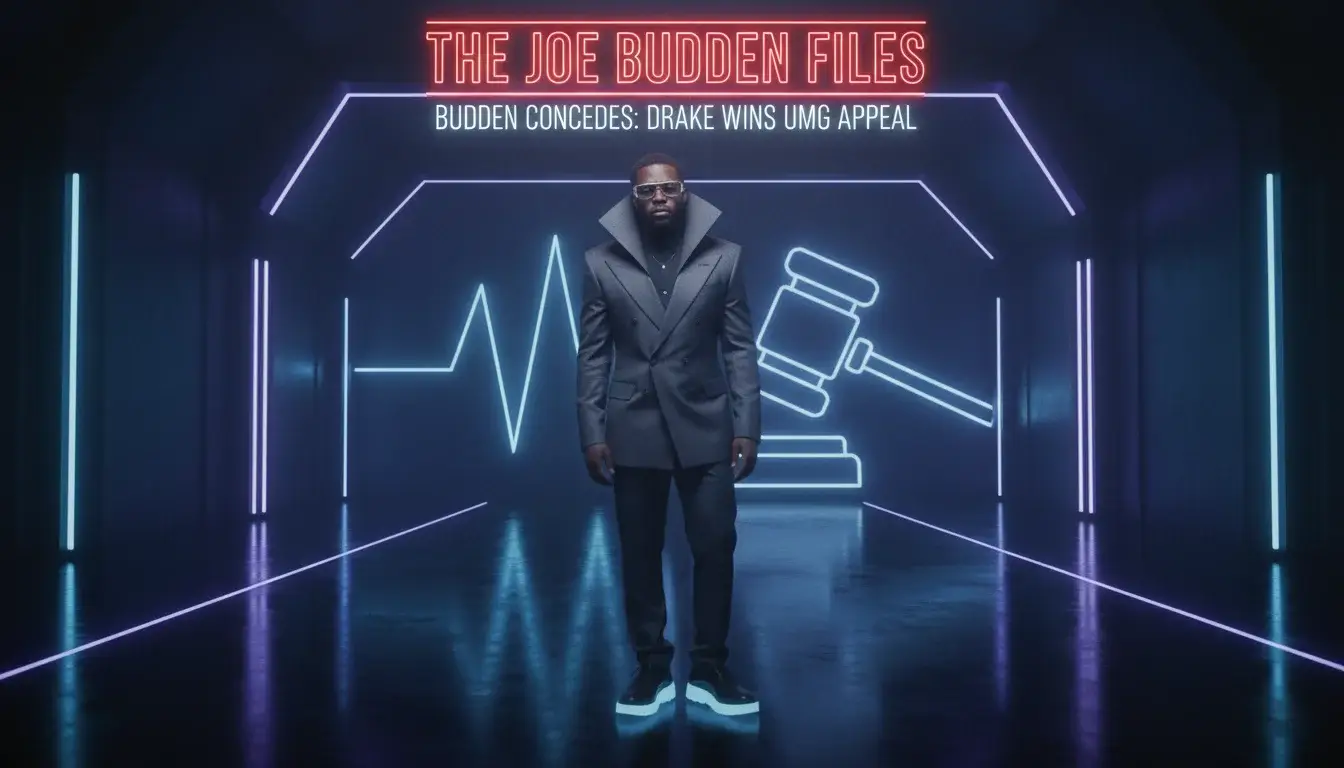
While the specifics of Drake’s contractual situation with Universal Music Group (UMG) remain shrouded in NDAs and industry whispers, Budden’s commentary, specifically in the clip referenced, hints at a significant shift in the balance of power between artists and labels. He doesn’t outright confirm the “appeal” – likely for legal safety – but his analysis suggests an understanding of the leverage Drake potentially wields. This situation transcends a simple artist-label dispute; it has far-reaching implications for the entire music industry, touching on ownership, streaming revenue, and the future of artist independence.The core of Budden’s perspective seems to revolve around the unprecedented value Drake brings to UMG. We’re not just talking about album sales here, though those are undeniably massive. We’re discussing the entire ecosystem that surrounds a global superstar like Drake: touring revenue, merchandise, brand partnerships, streaming dominance, and the overall cultural cachet he lends to the label’s brand. He is a profit center unlike any other. This is the key point Budden appears to be highlighting.Industry speculation suggests Drake’s appeal, if it indeed exists, is likely centered on renegotiating terms far more favorable to the artist. In the old music business model, labels held almost all the cards. They provided upfront capital for recording, marketing, and distribution, and in return, they took a significant percentage of the revenue generated. However, the digital landscape has disrupted this model.Streaming has fundamentally altered the revenue flow, and artists like Drake, with their immense social media presence and direct connection to fans, can bypass traditional marketing channels to a considerable degree. This gives them significant leverage in negotiating fairer deals. While UMG undoubtedly played a crucial role in Drake’s early career development, at this stage, Drake arguably needs UMG less than UMG needs Drake.Budden’s remarks implicitly acknowledge this power dynamic. He understands that Drake’s brand is so strong that he can attract significant investment and support independently, or with a smaller, more nimble label structure. If Drake were to leave UMG, the impact on the label’s bottom line would be substantial. Think about the quarterly reports, the investor calls, and the overall perception of UMG’s ability to retain top talent.The crucial business consideration here isn’t just the loss of album sales. It’s the ripple effect. Other artists on the UMG roster will undoubtedly take notice. They’ll see Drake potentially securing a more favorable deal and will be emboldened to demand similar terms. This could trigger a domino effect, forcing labels to concede more control and revenue to artists across the board. That’s the fear for a company like UMG.Furthermore, Drake’s situation highlights the growing importance of ownership. Artists are increasingly seeking to own their masters and control their publishing rights. This allows them to retain a larger share of the revenue generated from their music and gives them greater creative control over their work. While the specifics of Drake’s ownership situation are unknown, it’s reasonable to assume that this is a key point of contention in any negotiation with UMG.Budden’s comments, therefore, serve as a warning shot to the industry. The old ways of doing business are no longer sustainable. Artists are demanding greater autonomy and a fairer share of the profits. Labels that fail to adapt to this new reality risk losing their biggest stars and ultimately becoming obsolete.The potential consequences of a successful “Drake appeal” are profound. It could set a precedent for other superstars to renegotiate their contracts and demand more favorable terms. It could accelerate the trend towards artist independence and the rise of smaller, more artist-friendly labels. It could fundamentally reshape the power dynamics of the music industry, empowering artists and forcing labels to adapt to a new era of collaboration and shared success.Ultimately, whether Drake formally appealed his UMG contract remains speculation. However, Joe Budden’s analysis underscores the underlying power shift occurring within the industry. The conversation is no longer about if artists should have more control, but how much and how quickly the industry will adapt. And that adaptation, from an executive perspective, is fraught with challenges and requires a proactive, forward-thinking approach to artist relations and contract negotiations. The future of the music industry hinges on finding a sustainable balance that benefits both artists and labels in the long run. The Drake/UMG situation, whatever its exact details, is a pivotal moment in this ongoing evolution.
Rapper Offset was shot near the Seminole Hard Rock Hotel and Casino in Hollywood Florida on Monday April 6 2026. A rep confirmed to TMZ that Offset is fine. Circumstances remain unclear as the story develops.
We use technologies like cookies to store and/or access device information. We do this to improve browsing experience and to show (non-) personalized ads. Consenting to these technologies will allow us to process data such as browsing behavior or unique IDs on this site. Not consenting or withdrawing consent, may adversely affect certain features and functions.
Functional
Always active
The technical storage or access is strictly necessary for the legitimate purpose of enabling the use of a specific service explicitly requested by the subscriber or user, or for the sole purpose of carrying out the transmission of a communication over an electronic communications network.
Preferences
The technical storage or access is necessary for the legitimate purpose of storing preferences that are not requested by the subscriber or user.
Statistics
The technical storage or access that is used exclusively for statistical purposes.The technical storage or access that is used exclusively for anonymous statistical purposes. Without a subpoena, voluntary compliance on the part of your Internet Service Provider, or additional records from a third party, information stored or retrieved for this purpose alone cannot usually be used to identify you.
Marketing
The technical storage or access is required to create user profiles to send advertising, or to track the user on a website or across several websites for similar marketing purposes.
To provide the best experiences, we use technologies like cookies to store and/or access device information. Consenting to these technologies will allow us to process data such as browsing behavior or unique IDs on this site. Not consenting or withdrawing consent, may adversely affect certain features and functions.
Functional
Always active
The technical storage or access is strictly necessary for the legitimate purpose of enabling the use of a specific service explicitly requested by the subscriber or user, or for the sole purpose of carrying out the transmission of a communication over an electronic communications network.
Preferences
The technical storage or access is necessary for the legitimate purpose of storing preferences that are not requested by the subscriber or user.
Statistics
The technical storage or access that is used exclusively for statistical purposes.The technical storage or access that is used exclusively for anonymous statistical purposes. Without a subpoena, voluntary compliance on the part of your Internet Service Provider, or additional records from a third party, information stored or retrieved for this purpose alone cannot usually be used to identify you.
Marketing
The technical storage or access is required to create user profiles to send advertising, or to track the user on a website or across several websites for similar marketing purposes.