Por Pablo el mezquino | Analista social principal
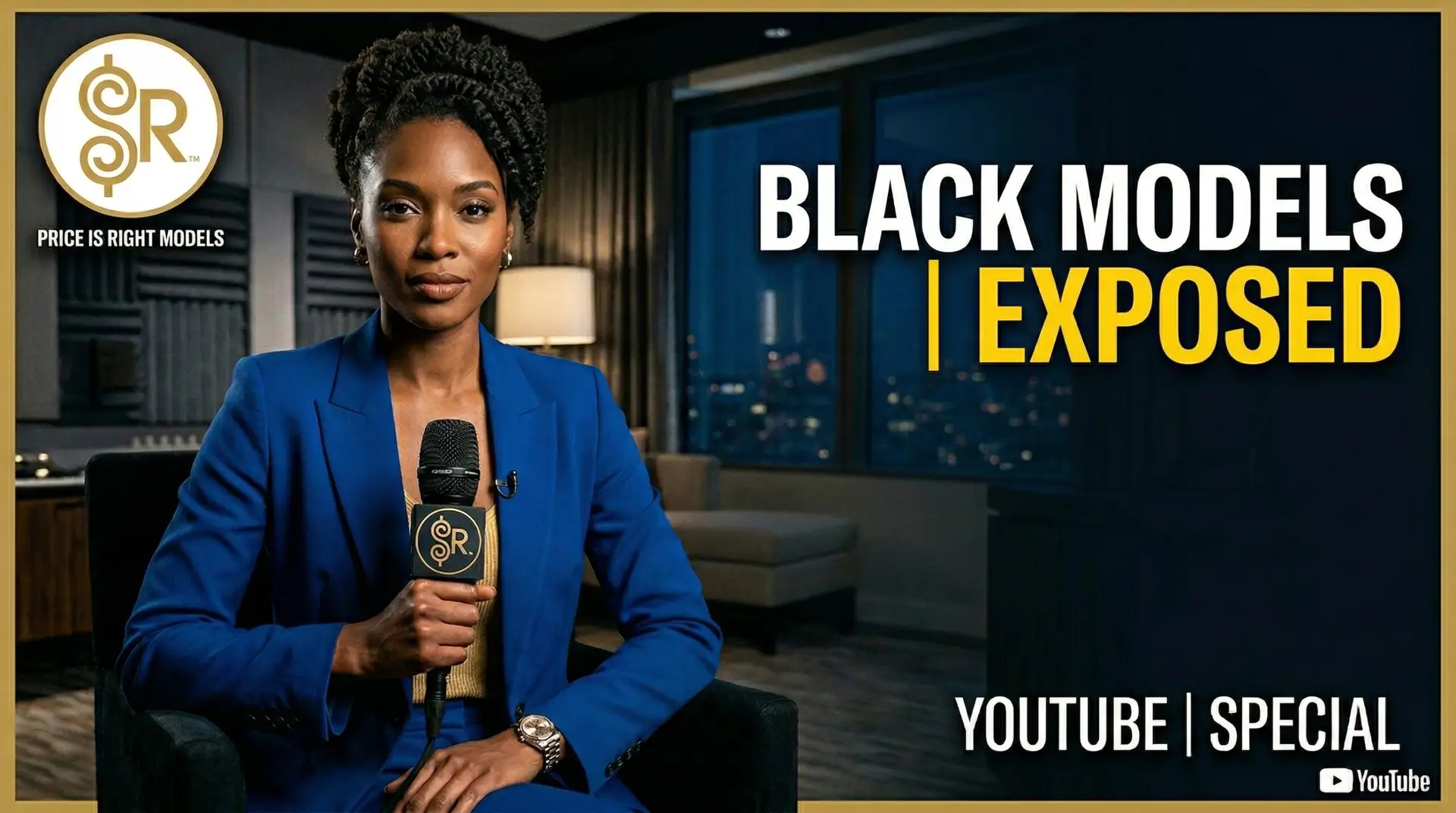
What makes the story stick is not only the claims themselves, but the gap between the public image and the private conduct being alleged. A show that felt warm and harmless to viewers is being reframed, by people who worked there, as something much darker behind the scenes. For more background on the allegations highlighted in the segment, The Root’s report on the documentary tracks many of the same claims.
- Former The Price Is Right models Kathleen Bradley y Claudia Jordan described alleged racism and harassment during Bob Barker’s years on the show.
- Bradley said she faced fan backlash, heard that production staff used the n-word in meetings, and experienced a toxic work setting.
- Jordan alleged racist comments, inappropriate touching by producer Phil Wayne, and retaliation after she complained.
- The video also recounts allegations from Holly Hallstrom, including claims about Barker’s views on Black men and fallout tied to past legal disputes.
- Bob Barker’s longtime representative, Roger Neal, denied allegations of sexual misconduct, according to the video.
- The deeper issue is legacy, a beloved daytime institution now sits under a very different light.
Why this Bob Barker story hits harder than a typical TV scandal
The Price Is Right was not just another TV credit, it was ritual television. It lived in living rooms, break rooms, dorm rooms, and sick-day routines. The video’s hosts make that point clearly, especially when they describe how Black families often folded Barker into the daily lineup of soaps, game shows, and daytime comfort viewing.
That matters because audience trust is part of a star’s real power. Barker wasn’t only a host, he was sold as a harmless institution. So when former colleagues describe racist attitudes or workplace mistreatment, the story moves past celebrity gossip and into something bigger, namely how media brands protect a polished front while people behind the curtain carry the cost.
The segment also underscores a familiar truth about old TV power structures. A smiling public face can coexist with a closed-door culture that looks very different. That’s not rare. It’s almost textbook. In other words, the issue here is not only whether a famous host had a temper or said the wrong thing. The video frames the allegations as part of a system, one where race, gender, and rank shaped who got protected, who got ignored, and who paid for speaking up.
Sharon Reed and Jamie Lowe also bring in the emotional side without losing the thread. Their point is simple, and pretty sharp, this hurts because viewers helped build the legend. If some of those same fans, especially Black women, were allegedly treated with distance or contempt once the cameras were off, the betrayal isn’t small. It rewrites the meaning of the whole performance.
Kathleen Bradley and Claudia Jordan describe a pattern, not isolated moments
Kathleen Bradley became the first full-time Black model in the show’s history in 1990, which should have been a milestone story all by itself. According to the video, Bradley said her time on the show started well, but the atmosphere changed as she became more aware of what people were saying around her and about her.
She alleged that viewers sent negative feedback because she was a Black model on the show. Even more troubling, she said someone from the production team told her that staff members used the n-word during meetings when models were not present. In the video, Bradley describes that realization as deeply painful, and that tracks. Public inclusion means very little if private hostility is still running the room.
The segment also says Bradley noticed male crew members gawking at her and describes a workplace that felt increasingly toxic over time. It later escalated, according to the video, into sexual harassment by a stagehand. Taken together, her account paints a picture that is less about one shocking episode and more about steady erosion, the kind of environment that wears a person down while the show keeps smiling for the audience.
Claudia Jordan alleged racist comments, body stereotypes, and retaliation
Jordan’s account pushes that pattern even further. She became the second full-time Black model about a decade after Bradley, yet she said the attitudes had not improved. According to the video, Jordan alleged that producer Phil Wayne made racist remarks to her and leaned on stereotypes about Black women’s bodies.
She claimed Wayne told her, “Let’s make a reverse Oreo”, referring to placing her between two white models. She also alleged that he called her the “ass model” and later touched her inappropriately backstage. The language matters here because it shows the logic behind the behavior. Jordan’s account was not just about a rude producer. It was about being reduced to a racial stereotype, then punished for objecting to it.
After Jordan filed a formal complaint, the video says she was accused of tardiness and threatened with termination by Barker. Jordan recalled asking what was being done about her complaint and receiving a chillingly brief answer:
“He said he was sorry.”
The video also claims Wayne got his position through family ties, and that his father, a former executive producer, had himself faced harassment accusations from multiple women. That part widens the frame. The story stops looking like a clash of personalities and starts looking like inherited protection, the kind of shop where power stays in the family and complaints go nowhere.
Jordan also made claims about contestant selection. She alleged producers pushed negative stereotypes when choosing Black contestants, favoring loud or exaggerated personalities, and that only two Black contestants were allowed on stage at a time. According to her, cards were marked with a “B” to identify Black contestants before Barker called them down. She further claimed Barker would sometimes pull away when Black contestants tried to hug him. If true, that is not a stray bad moment. That’s culture, coded and repeated.
Holly Hallstrom’s account, the legal disputes, and the official denial
The video doesn’t stop with Bradley and Jordan. It also brings in former model Holly Hallstrom, whose past disputes with Barker have long hovered around the show’s history. Hallstrom alleged that Barker had an affair with co-star Dian Parkinson, and the video says Hallstrom connected that relationship to remarks Barker allegedly made about Black men. One especially ugly claim attributed to Hallstrom is that Barker had said Black men were “the most diseased people on earth.” That remains an allegation, but its inclusion in the video is meant to show that the hostility described by Bradley and Jordan did not appear out of nowhere.
The segment also revisits Hallstrom’s fallout with Barker. According to the video, she was ostracized after refusing to lie on Barker’s behalf when Parkinson filed a sexual harassment suit. It further says Hallstrom was fired for being slightly overweight, even though she had recently lost weight. Bradley, along with crew members viewed as sympathetic to Hallstrom, were reportedly let go in 2000.
Jordan later sought out the same lawyer Hallstrom had used. The video says Hallstrom sued over age, weight, and medical discrimination, wrongful termination, and malicious prosecution. It also says Jordan filed her own lawsuit in 2004 for sexual harassment and racial discrimination, and that the production company settled with her out of court.
Then comes the denial. According to the segment, Barker’s longtime representative Roger Neal rejected claims of sexual misconduct in a statement to USA Today. That’s a standard move in legacy defense, protect the brand, challenge the story, hold the line. But the hosts on Indisputable are clear about where they land. They say they believe the women. Just as important, they frame the allegations as believable within the broader history of television, where powerful men often benefited from loyalty, silence, and timing.
Cronología de los acontecimientos
- 1990: Kathleen Bradley becomes the first full-time Black model on The Price Is Right.
- During Bradley’s tenure: She allegedly learns of racist viewer backlash, racist language used in production meetings, and harassment on set.
- Roughly 10 years later: Claudia Jordan becomes the second full-time Black model on the show.
- During Jordan’s time on the show: She alleges racist remarks and inappropriate touching by producer Phil Wayne.
- After Jordan files a complaint: She says producers accuse her of lateness and Barker threatens to fire her.
- According to Jordan: She also witnesses or learns of alleged race-based contestant limits and marking Black contestants with a “B” on selection cards.
- 2000: The video says Bradley and crew members seen as sympathetic to Holly Hallstrom are fired.
- 2004: Jordan files a lawsuit alleging sexual harassment and racial discrimination, which the video says later ends in an out-of-court settlement.
- Nearly three years after Barker’s death: The allegations resurface through the documentary discussed in the video.
Note: This article discusses commentary from a publicly available video. Claims described here are attributed to the speaker(s) and are not presented as confirmed facts.
El veredicto final
The sharpest takeaway is not just that Bob Barker’s image is under dispute. It’s that a classic TV institution is being re-read through the people who say they paid the hidden price for its polish. According to the video, former models are not offering random grievance, they are describing a workplace pattern tied to race, gender, and power.
That is why the story has weight. A legacy brand can survive on nostalgia for years, but nostalgia gets shaky when the people behind the curtain start comparing notes. Legacy looks different once the audience sees how the set was allegedly run.